
Defective Products Attorneys
Experienced legal representation for defective products matters across all 50 states.
About Defective Products
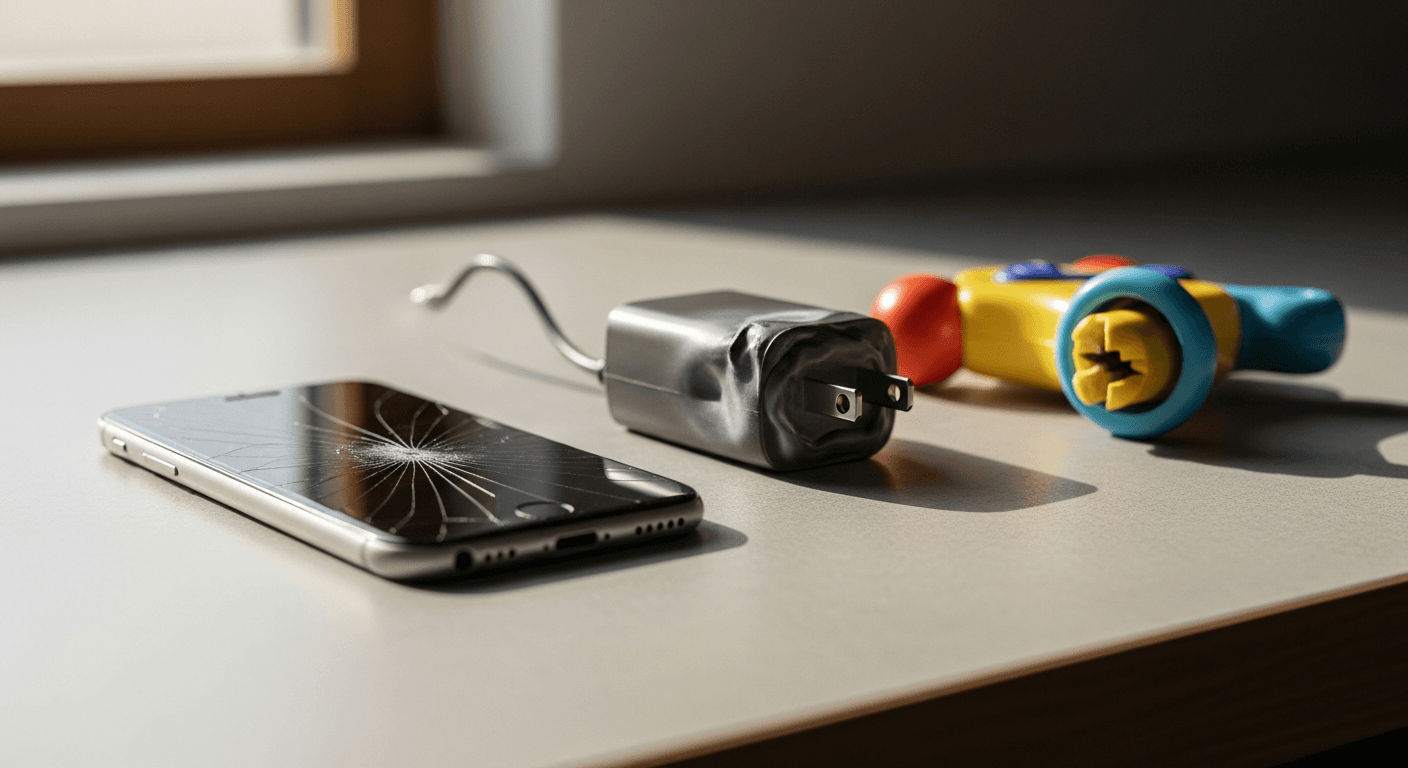
Defective products law encompasses legal claims brought by consumers and users who are injured by products that fail to perform safely as expected. This area of law holds all parties in the product supply chain accountable when items reach the market with design flaws, manufacturing errors, or inadequate warnings that make them unreasonably dangerous. Whether the defective item is an everyday household appliance, a piece of sporting equipment, a power tool, or a children's toy, the law provides a framework for injured parties to seek compensation and for the marketplace to maintain safety standards.
Defective product claims are evaluated under three primary theories of liability. A design defect means the product's blueprint or plan is inherently unsafe, regardless of how carefully it is manufactured. A manufacturing defect occurs when an otherwise safe product becomes dangerous due to an error in production, assembly, or quality control. A failure-to-warn or marketing defect involves insufficient instructions, missing safety labels, or inadequate disclosure of known risks associated with the product's use. Proving a defective products case requires demonstrating that the defect existed when the product left the defendant's control, that the product was used in a reasonably foreseeable manner, and that the defect was a proximate cause of the plaintiff's injuries.
The Consumer Product Safety Commission oversees the safety of thousands of consumer goods and maintains a database of product-related injuries and recalls. Despite this regulatory oversight, hundreds of products are recalled annually after causing injuries. Successful defective products litigation not only compensates individual victims but drives manufacturers to improve quality control processes, invest in better testing protocols, and issue timely recalls when hazards are identified. Legal representation experienced in product analysis, engineering testimony, and regulatory frameworks is essential for building a compelling defective products claim.
Why You Need a Defective Products Attorney
Every year, millions of Americans visit emergency rooms due to injuries caused by consumer products. From kitchen appliances that overheat and catch fire to exercise equipment that collapses during use, defective products can cause severe burns, broken bones, traumatic brain injuries, and death. The Consumer Product Safety Commission reports that consumer product incidents cost the nation over one trillion dollars annually in medical expenses, lost productivity, and property damage.
Defective products litigation plays a vital role in consumer protection by holding manufacturers accountable and creating financial incentives for companies to prioritize safety. When a product injures someone, the legal system allows the injured party to recover compensation for medical bills, lost income, pain and suffering, and other damages. Beyond individual cases, high-profile defective products lawsuits have prompted industry-wide safety improvements, mandatory recalls, and stricter regulatory standards that protect all consumers.
Common Defective Products Cases
Defective Household Appliances
Injuries caused by malfunctioning kitchen appliances, space heaters, power tools, and cleaning devices that overheat, catch fire, explode, or have faulty wiring leading to electrocution or burns.
Faulty Children's Products
Toys with choking hazards, cribs with entrapment risks, car seats that fail during collisions, and other children's items that do not meet CPSC safety standards or contain toxic materials.
Defective Sporting and Recreational Equipment
Helmets that fail to protect against impact, exercise machines with structural failures, bicycles with defective brakes, and other recreational gear that malfunctions during use.
Electronics and Battery Failures
Lithium-ion battery explosions in laptops, phones, e-cigarettes, and hoverboards, as well as electrical shorts and overheating in consumer electronics that cause fires and burns.
Contaminated or Mislabeled Products
Consumer goods containing undisclosed allergens, toxic chemicals, or harmful substances not listed on labels, including cosmetics, cleaning products, and personal care items.
Defective Furniture and Home Goods
Furniture tip-over accidents, glass table shattering, defective ladders, and collapsing shelving units that cause crush injuries, lacerations, and traumatic injuries especially to children.
Inadequate Safety Guards and Mechanisms
Products lacking proper safety features such as automatic shutoffs, guards on moving parts, child-resistant packaging, and temperature limiters that could have prevented injuries.
Typical Defective Products Case Timeline
Product Preservation & Initial Investigation
1-4 weeksThe defective product is secured and preserved as evidence. Your attorney documents the product, your injuries, and the circumstances of the incident. This phase is critical because altering or discarding the product can destroy your case.
Expert Analysis & Defect Identification
2-4 monthsEngineers and product safety experts examine the item to identify the specific defect, whether in design, manufacturing, or labeling. Expert reports are prepared documenting the nature of the defect and how it caused the injury.
Claim Filing & Defendant Identification
1-3 monthsA lawsuit is filed identifying all potentially liable parties in the chain of distribution, including the manufacturer, component suppliers, distributors, and retailers.
Discovery & Document Exchange
6-18 monthsBoth sides exchange internal documents including design specifications, testing records, quality control reports, prior complaint histories, and communications about known defects. Depositions of key witnesses are conducted.
Settlement Negotiations
2-6 monthsArmed with expert findings and discovery results, your attorney negotiates with the defendant's insurers and legal team. Mediation may be used to facilitate settlement discussions.
Trial or Resolution
1-4 monthsIf settlement negotiations fail, the case proceeds to trial where a jury evaluates the evidence and determines liability and damages. Most defective products cases settle before reaching a verdict.
Know Your Rights
- You have the right to expect that consumer products sold in the United States are safe for their intended use and reasonably foreseeable uses.
- Under strict liability, you do not need to prove the manufacturer was negligent — only that the product was defective and the defect caused your injury.
- You can report unsafe products to the CPSC at SaferProducts.gov and request that the agency investigate the product.
- You may file a claim against any party in the chain of distribution, from the manufacturer to the retailer, regardless of who actually caused the defect.
- Product warranties provide additional protections — the implied warranty of merchantability guarantees that products are fit for their ordinary purpose.
- You have the right to compensation even if you received the product as a gift or purchased it secondhand, as long as the defect existed when the product entered commerce.
- Statute of limitations deadlines vary by state, so you should consult an attorney promptly after discovering a product-related injury.
What to Look for in a Defective Products Attorney
A defective products attorney should have specific experience analyzing product failures and working with expert witnesses in engineering, materials science, and product design. Ask whether the attorney has handled cases involving the type of product that injured you, as each product category presents unique technical and legal challenges. The firm should have relationships with accredited testing laboratories and the financial resources to retain experts who can examine the product, identify the defect, and testify persuasively at trial. Look for an attorney who understands CPSC regulations, recall procedures, and how to obtain internal company documents that may reveal the manufacturer knew about the defect. Experience with class actions and multidistrict litigation is valuable since many defective product cases involve widespread harm. The attorney should be transparent about the timeline and costs, work on a contingency basis, and communicate clearly about the strength of your claim.
Questions to Ask Your Defective Products Attorney
- 1Have you handled cases involving this specific type of consumer product before?
- 2What experts will you need to retain to analyze the defect, and how long will that analysis take?
- 3Have there been prior complaints, recalls, or lawsuits involving this product that could support my case?
- 4Is my case likely to be consolidated with other claims in a class action or multidistrict litigation?
- 5What is the statute of limitations for defective products claims in my state?
- 6Does your firm advance all expert and litigation costs, and are those costs deducted from the recovery?
- 7What is your realistic assessment of the value of my claim and the timeline for resolution?
Understanding Defective Products Legal Costs
Defective products attorneys work on a contingency fee basis, typically charging 33% to 40% of the recovery. These cases require significant upfront investment in expert analysis including product testing by accredited laboratories, engineering evaluations, and expert witness fees that can range from tens of thousands to over a hundred thousand dollars depending on complexity. Additional costs include filing fees, deposition expenses, demonstrative exhibits, and document review. Reputable firms advance all litigation costs and recover them from the settlement or verdict. If no recovery is obtained, you owe nothing for attorney fees or costs. Because of the financial investment required, firms carefully evaluate potential cases before committing resources.
Key Legal Terms
Video Resources
These videos are provided for informational purposes only. The attorneys and organizations featured are not affiliated with or endorsed by Northwind Law.
What is Product Liability?
Tech Policy Lab, University of Washington
Product Liability Law: Liability for Manufacturing Defects
Tech Policy Lab, University of Washington
Introduction to Product Liability: Module 1 of 5
LawShelf
Frequently Asked Questions About Defective Products
Citations & Sources
- [1]Approximately 11.7 million consumers were treated in emergency departments for injuries associated with consumer products in 2022. — CPSC National Electronic Injury Surveillance System (NEISS)
- [2]The CPSC issued over 300 consumer product recalls in 2023, covering millions of individual product units. — U.S. Consumer Product Safety Commission Recall Database
- [3]The annual cost of deaths, injuries, and property damage associated with consumer products exceeds $1 trillion. — U.S. Consumer Product Safety Commission
- [4]The Restatement (Third) of Torts: Products Liability establishes three categories of product defects: design defects, manufacturing defects, and inadequate warnings. — American Law Institute
- [5]Children under five years of age account for a disproportionate share of consumer product-related emergency department visits. — CPSC Annual Report to Congress, 2022
Ready to Discuss Your Defective Products Case?
Speak with a experienced defective products attorney. Free consultations available.