
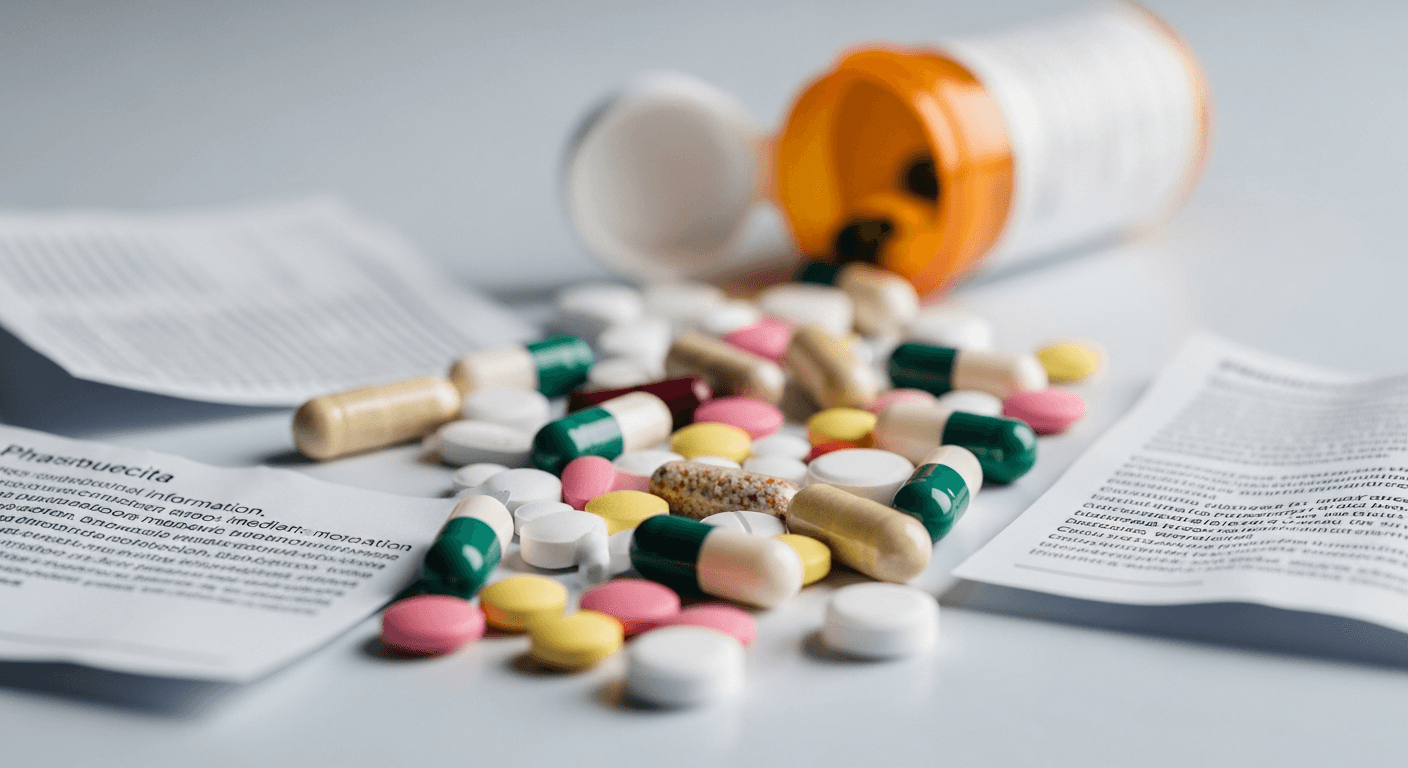
Defective Drugs Attorneys
Experienced legal representation for defective drugs matters across all 50 states.
About Defective Drugs
Defective drugs litigation holds pharmaceutical companies accountable when medications cause serious harm that was not adequately disclosed to patients and prescribing physicians. These cases arise when drugs reach the market with dangerous side effects that were concealed, minimized, or insufficiently studied during the approval process, or when drugs are manufactured with contamination, incorrect dosages, or other production errors. The pharmaceutical industry is regulated by the Food and Drug Administration, but the FDA approval process has limitations, and drugs that are approved can later be found to cause serious health problems that were not apparent during clinical trials.
Defective drug claims typically fall into three categories. Defectively designed drugs are those whose chemical formulation creates unreasonable risks that outweigh the medication's therapeutic benefits. Manufacturing defects occur when errors in production, storage, or distribution result in contaminated, improperly dosed, or degraded medications. Failure-to-warn claims, the most common type, allege that the pharmaceutical company did not adequately disclose known or reasonably discoverable side effects to patients and healthcare providers, preventing them from making informed decisions about whether to take the medication.
Many defective drug cases involve thousands of plaintiffs across the country who were harmed by the same medication. These cases are often consolidated into multidistrict litigation for efficient handling of pretrial proceedings. Major defective drug litigations have involved widely prescribed medications for pain management, blood thinning, diabetes, heartburn, depression, and other common conditions. The complexity of these cases requires attorneys who understand pharmaceutical science, FDA regulatory processes, clinical trial design, and the strategies used by major pharmaceutical corporations to defend their products. Successful litigation has led to drug withdrawals, enhanced warning labels, and billions of dollars in compensation for injured patients.
Why You Need a Defective Drugs Attorney
Americans fill billions of prescriptions annually, trusting that their medications have been properly tested and that known risks have been disclosed. When pharmaceutical companies fail in their duty to ensure drug safety, the consequences affect millions of patients and their families. Adverse drug reactions are a leading cause of hospitalization and death in the United States, with the FDA receiving over two million adverse event reports annually. Many of these reactions involve side effects that were known to the manufacturer but inadequately communicated.
Defective drugs litigation serves as a critical check on the pharmaceutical industry. The threat of substantial financial liability incentivizes companies to invest in thorough pre-market testing, transparent disclosure of side effects, and prompt action when post-market surveillance reveals new risks. Without this legal accountability, pharmaceutical companies would face fewer consequences for prioritizing profits over patient safety, and patients harmed by dangerous medications would have no means of obtaining compensation for their injuries.
Common Defective Drugs Cases
Undisclosed Cardiovascular Risks
Medications that cause heart attacks, strokes, blood clots, or cardiac arrest where the manufacturer knew of or should have known of the cardiovascular risks but failed to adequately warn patients and prescribers.
Cancer-Causing Medications
Drugs found to increase the risk of cancer, including contamination with carcinogenic impurities such as nitrosamines, or medications whose chemical properties promote tumor growth over long-term use.
Dangerous Side Effects in Widely Prescribed Drugs
Common medications for conditions such as diabetes, acid reflux, depression, and pain that cause severe side effects including organ damage, neurological harm, and life-threatening allergic reactions.
Opioid and Pain Medication Claims
Claims against manufacturers who marketed opioid pain medications while minimizing or concealing the drugs' addictive properties, contributing to the nationwide opioid epidemic and individual cases of addiction and overdose.
Contaminated or Adulterated Pharmaceuticals
Medications contaminated during manufacturing with bacteria, foreign particles, wrong active ingredients, or incorrect dosage levels, causing adverse health reactions or treatment failures.
Off-Label Marketing Claims
Pharmaceutical companies that improperly promoted drugs for uses not approved by the FDA, exposing patients to risks that were never evaluated in clinical trials for that particular use.
Inadequate Clinical Trial Disclosure
Cases where manufacturers suppressed unfavorable clinical trial data, manipulated study results, or failed to conduct adequate post-market studies to identify emerging safety concerns.
Typical Defective Drugs Case Timeline
Case Evaluation & Medical Review
1-3 monthsYour attorney reviews your medical records, prescription history, and the timeline of your symptoms to establish the connection between the drug and your injuries. Experts may be consulted to evaluate causation.
Filing & MDL Consolidation
1-4 monthsA lawsuit is filed in state or federal court. If similar cases exist nationwide, the Judicial Panel on Multidistrict Litigation may transfer your case to a single federal court for coordinated pretrial proceedings.
Discovery & Document Production
12-24 monthsThe pharmaceutical company is required to produce internal documents including clinical trial data, safety reports, marketing materials, and communications about known risks. Expert reports are prepared by both sides.
Daubert Hearings & Scientific Evidence
3-6 monthsThe court evaluates the admissibility of expert testimony on causation, determining whether the scientific evidence meets the legal standard for reliability. This phase is often decisive in pharmaceutical litigation.
Bellwether Trials
6-18 monthsIn MDL proceedings, a small number of representative cases are selected for trial to test the strength of both sides' arguments. The outcomes of bellwether trials heavily influence settlement negotiations.
Settlement or Individual Trial
3-12 monthsBased on bellwether results, the parties negotiate a global settlement framework. If no settlement is reached, individual cases may be remanded to their original courts for trial.
Know Your Rights
- You have the right to be informed of all known risks and side effects of medications prescribed to you, and pharmaceutical companies have a duty to disclose this information.
- You can file a claim against a drug manufacturer even if the medication was prescribed by your doctor, because the duty to warn extends to providing adequate information to both physicians and patients.
- You have the right to report adverse drug reactions to the FDA through the MedWatch program, which helps identify safety signals for medications on the market.
- Joining a multidistrict litigation does not eliminate your individual claim — your case retains its unique facts and can be tried individually if it does not settle during the MDL process.
- You may be entitled to compensation for medical expenses, lost income, pain and suffering, and diminished quality of life caused by a defective medication.
- The statute of limitations for defective drug claims may begin from the date you discovered or should have discovered that the drug caused your injury, not necessarily the date you first took the medication.
What to Look for in a Defective Drugs Attorney
Defective drug cases require attorneys with specialized knowledge of pharmaceutical litigation, FDA regulatory processes, and medical science. Look for a firm with a track record of handling pharmaceutical cases, particularly those involving multidistrict litigation where the firm's role as lead counsel or member of a plaintiffs' steering committee indicates a high level of expertise and respect within the legal community. The attorney should have access to medical experts, pharmacologists, and regulatory specialists who can analyze whether the drug was defectively designed or whether warnings were inadequate. Ask about the firm's financial capacity to litigate against well-funded pharmaceutical companies that employ aggressive defense strategies. A strong defective drug attorney will be transparent about the strengths of your case, the expected timeline, and how MDL proceedings work if your case is consolidated with others.
Questions to Ask Your Defective Drugs Attorney
- 1Has your firm handled cases involving this specific medication or class of drugs before?
- 2Is my case likely to be part of a multidistrict litigation, and what role does your firm play in the MDL?
- 3What medical evidence will be needed to establish that this drug caused my injuries?
- 4How long do pharmaceutical cases typically take to resolve, especially those consolidated in an MDL?
- 5What is the current status of litigation involving this drug, and have any bellwether trials been completed?
- 6Will I need to undergo an independent medical examination, and how should I prepare?
- 7What is your contingency fee, and how are litigation costs handled in MDL cases?
Understanding Defective Drugs Legal Costs
Defective drug attorneys handle cases on a contingency fee basis, typically receiving 33% to 40% of the recovery. These cases involve substantial costs for medical expert witnesses, pharmacological analysis, regulatory consultants, and extensive document review. In MDL proceedings, litigation costs are often shared among the plaintiffs' firms involved. Individual clients generally pay nothing out of pocket — all costs are advanced by the law firm and recovered from any settlement or verdict. If there is no recovery, you owe nothing. Because pharmaceutical litigation is resource-intensive, firms carefully screen cases to evaluate the strength of medical evidence linking the drug to the injury.
Key Legal Terms
Video Resources
These videos are provided for informational purposes only. The attorneys and organizations featured are not affiliated with or endorsed by Northwind Law.
What is Product Liability?
Tech Policy Lab, University of Washington
Product Liability Law: Liability for Manufacturing Defects
Tech Policy Lab, University of Washington
Introduction to Product Liability: Module 1 of 5
LawShelf
Frequently Asked Questions About Defective Drugs
Citations & Sources
- [1]The FDA receives over two million adverse drug event reports annually through its FAERS database. — FDA Adverse Event Reporting System (FAERS)
- [2]Each year, adverse drug events result in approximately 700,000 emergency department visits and 100,000 hospitalizations in the United States. — Centers for Disease Control and Prevention
- [3]The FDA issued approximately 4,500 drug recalls and safety communications in fiscal year 2023. — U.S. Food and Drug Administration
- [4]Prescription drug spending in the United States exceeded $400 billion in 2022, reflecting the enormous scale of pharmaceutical use. — Centers for Medicare & Medicaid Services, National Health Expenditure Data
Ready to Discuss Your Defective Drugs Case?
Speak with a experienced defective drugs attorney. Free consultations available.