
Auto Fraud Attorneys
Experienced legal representation for auto fraud matters across all 50 states.
About Auto Fraud
Auto fraud encompasses a wide range of deceptive and illegal practices by car dealers, sellers, and finance companies that mislead consumers during the vehicle purchase or leasing process. It is one of the most common forms of consumer fraud in the United States, with the Federal Trade Commission consistently ranking auto-related complaints among the top categories of consumer grievances. Auto fraud takes many forms, from odometer rollbacks and undisclosed accident damage to deceptive financing practices and bait-and-switch advertising. These schemes prey on the information asymmetry between sellers — who have access to vehicle history, condition reports, and financing details — and buyers, who often rely on the seller's representations in making one of their most significant financial decisions.
Federal and state laws provide important protections against auto fraud. The federal Odometer Act prohibits tampering with a vehicle's odometer or misrepresenting the mileage, imposing civil liability of three times actual damages or $10,000, whichever is greater. The FTC's Used Car Rule requires dealers to display a Buyers Guide on every used vehicle, disclosing whether the vehicle is sold with a warranty or "as is." State consumer protection statutes — often referred to as Unfair and Deceptive Acts and Practices (UDAP) laws — provide broad remedies for fraudulent dealer conduct, and many states have specific dealer fraud statutes that impose heightened penalties.
Common auto fraud scenarios include selling vehicles with undisclosed prior accident damage, flood damage, or salvage titles; manipulating odometers to conceal high mileage; engaging in deceptive financing through payment packing, yo-yo financing, and inflated interest rates; advertising vehicles at prices the dealer has no intention of honoring; and adding unauthorized aftermarket products to the sale price. Auto fraud attorneys help consumers unwind fraudulent transactions, recover damages, and hold dishonest dealers accountable through individual lawsuits and class actions.
Why You Need an Auto Fraud Attorney
Auto fraud matters because it causes significant financial harm to millions of Americans every year. The National Consumer Law Center estimates that dealer fraud adds billions of dollars in costs to consumers annually, with individual losses frequently ranging from several hundred to tens of thousands of dollars. For many families, a car is their second-largest purchase after a home, and fraudulent dealer practices can trap consumers in vehicles that are worth far less than they paid, are unsafe to drive, or carry financing terms they never agreed to.
Auto fraud also disproportionately harms vulnerable populations. Studies by the FTC and consumer advocacy organizations have documented that Black, Hispanic, and military consumers face higher rates of dealer fraud, deceptive financing, and discriminatory markup practices. Predatory dealers target consumers with limited English proficiency, lower credit scores, or urgent transportation needs, knowing these buyers have fewer alternatives and less ability to identify fraudulent conduct. Effective legal enforcement of auto fraud laws protects individual consumers, deters industry-wide misconduct, and promotes fair competition among honest dealers.
Common Auto Fraud Cases
Undisclosed Accident or Flood Damage
Pursuing claims against dealers who sell vehicles with significant prior accident damage, flood damage, or structural damage without disclosing the vehicle's history to the buyer as required by law.
Odometer Fraud
Representing consumers who purchased vehicles with rolled-back or tampered odometers, pursuing claims under the federal Odometer Act for treble damages and attorney fees.
Yo-Yo Financing (Spot Delivery)
Defending consumers against dealers who allowed them to take a vehicle home based on preliminary financing, then called them back days or weeks later demanding different terms, a larger down payment, or higher interest rates.
Payment Packing
Challenging dealers who inflate monthly payments by secretly adding unwanted products — extended warranties, GAP insurance, paint protection, anti-theft devices — without the consumer's informed consent.
Salvage Title Concealment
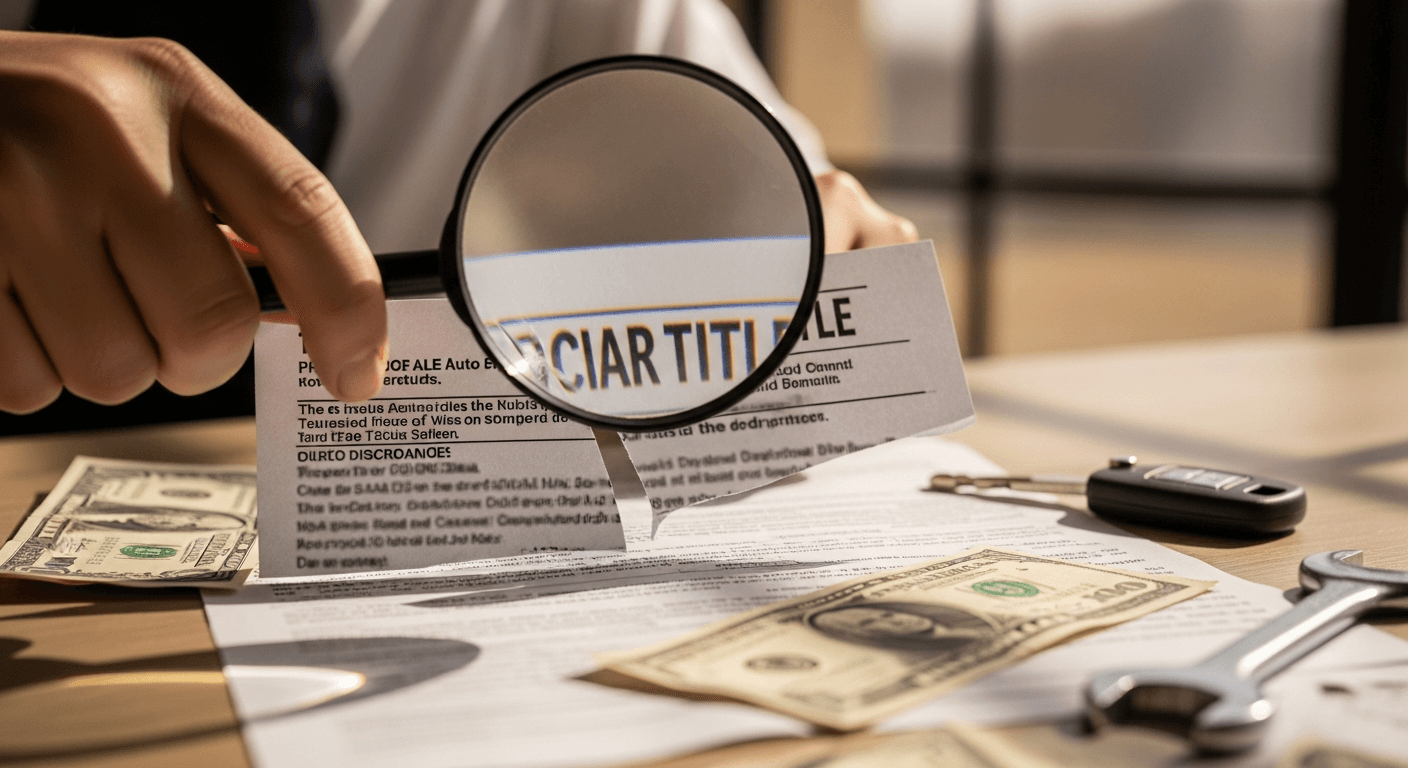
Bringing claims against sellers who conceal a vehicle's salvage, rebuilt, or branded title status, selling it at full retail value despite its significantly reduced actual value and potentially compromised safety.
Deceptive Advertising and Bait-and-Switch
Holding dealers accountable for advertising vehicles at prices or terms they do not intend to honor, using the low price to lure consumers into the dealership and then pressuring them to purchase a different vehicle at a higher price.
Discriminatory Dealer Markup
Challenging dealer financing practices that result in minority consumers paying higher interest rate markups than similarly situated white consumers, in violation of the Equal Credit Opportunity Act.
Curbstoning
Pursuing claims against unlicensed sellers who pose as private individuals to sell vehicles while actually operating as dealers, evading consumer protection requirements and liability for misrepresentations.
Typical Auto Fraud Case Timeline
Case Evaluation & Evidence Gathering
1-3 weeksThe attorney reviews your purchase documents, financing paperwork, vehicle history reports, inspection results, and communications with the dealer to assess the strength of your claim.
Demand Letter & Pre-Suit Negotiation
2-6 weeksA formal demand letter is sent to the dealer outlining the fraudulent conduct, citing applicable laws, and demanding a specific remedy such as rescission of the sale, damages, or both.
Filing the Lawsuit
1-3 weeksIf the dealer refuses to resolve the matter, the attorney files a complaint in court asserting claims under applicable state consumer protection statutes, the federal Odometer Act, breach of contract, and common law fraud.
Discovery
3-8 monthsBoth parties exchange documents and information. Key discovery includes the dealer's acquisition records, reconditioning records, sales training materials, and communications about the vehicle's history and condition.
Settlement Negotiations & Mediation
1-3 monthsMost auto fraud cases settle after discovery reveals the extent of the dealer's knowledge and misconduct. Mediation may be court-ordered or agreed upon by the parties.
Trial
2-5 days (if needed)If settlement cannot be reached, the case proceeds to trial. Juries tend to be sympathetic to defrauded car buyers, and verdicts may include compensatory damages, statutory damages, punitive damages, and attorney fees.
Know Your Rights
- You have the right under the federal Odometer Act to recover three times your actual damages or $10,000, whichever is greater, plus attorney fees and costs, if a seller tampered with or misrepresented the vehicle's mileage.
- You have the right to a truthful disclosure of the vehicle's condition, accident history, title status, and material defects before purchase, as required by state consumer protection statutes.
- You have the right to rescind a vehicle purchase that was procured through fraud, misrepresentation, or deception, returning the vehicle and receiving a refund of all payments made.
- You have the right under the FTC Used Car Rule to receive a Buyers Guide disclosing whether the vehicle is sold "as is" or with a warranty, and what warranty coverage is included.
- You have the right to review and understand all financing documents before signing, including the annual percentage rate, total cost of financing, and any add-on products included in the price.
- You have the right to refuse dealer add-on products such as extended warranties, paint protection, and GAP insurance, and to have them removed if they were added without your consent.
- You have the right to file a complaint with your state attorney general, the FTC, and the CFPB, which can trigger investigations and enforcement actions against fraudulent dealers.
What to Look for in an Auto Fraud Attorney
When selecting an auto fraud attorney, look for someone with specific experience in automotive consumer protection law. Auto fraud cases involve a unique combination of contract law, consumer protection statutes, federal regulations, and automotive industry knowledge. An attorney who regularly handles auto fraud cases will understand dealer practices, financing structures, vehicle history report interpretation, and the specific state and federal statutes that apply to your situation.
Many auto fraud attorneys work on a contingency fee basis or rely on statutory fee-shifting provisions, so you typically will not need to pay anything upfront. Ask how many auto fraud cases the attorney has handled and their track record in obtaining settlements and verdicts. Look for an attorney who is willing to take cases to trial if necessary, as dealers and their insurers are more likely to offer fair settlements when they know the attorney is prepared to litigate. Check for membership in organizations like the National Association of Consumer Advocates (NACA), which indicates a commitment to consumer protection practice. Finally, ensure the attorney responds promptly and communicates clearly about your options and the likely timeline.
Questions to Ask Your Auto Fraud Attorney
- 1What specific type of auto fraud do you believe occurred in my case, and which laws apply?
- 2Do you handle auto fraud cases on a contingency basis, and what percentage do you charge?
- 3What is the realistic range of damages I could recover, including statutory and punitive damages?
- 4Have you handled cases against this specific dealer or dealership group before?
- 5Should I continue making payments on the vehicle while the case is pending?
- 6What evidence do you need from me, and what evidence will you obtain through the legal process?
- 7How long do auto fraud cases like mine typically take to resolve?
Understanding Auto Fraud Legal Costs
Most auto fraud attorneys work on a contingency fee basis, taking a percentage of the recovery — typically 33 to 40 percent — rather than charging hourly fees. In cases involving statutory fee-shifting provisions, such as claims under the federal Odometer Act or state UDAP statutes, the manufacturer or dealer may be required to pay your attorney fees if you prevail. Some attorneys will pursue claims on a hybrid basis, combining a reduced contingency with fee-shifting. Initial consultations are typically free. You should not need to pay any upfront retainer or hourly fees in a typical auto fraud case. Ask about costs such as filing fees, expert inspection fees, and deposition costs, and whether the attorney advances these costs or requires reimbursement regardless of the outcome. The contingency and fee-shifting model ensures that auto fraud victims can access quality legal representation without financial barriers.
Key Legal Terms
Video Resources
These videos are provided for informational purposes only. The attorneys and organizations featured are not affiliated with or endorsed by Northwind Law.
How to Spot a Car Dealer Scam
Steve Lehto
Top 10 Car Dealer Scams and How to Avoid Them
Chevy Dude
Yo-Yo Car Scam: What Is Spot Delivery Fraud?
Steve Lehto
Frequently Asked Questions About Auto Fraud
Citations & Sources
- [1]The FTC received over 100,000 auto-related consumer complaints in 2023, making it one of the most frequently reported categories of consumer fraud. — FTC Consumer Sentinel Network Data Book 2023
- [2]NHTSA estimates that odometer fraud costs American car buyers more than $1 billion annually and affects more than 450,000 vehicles sold each year. — NHTSA Odometer Fraud Advisory
- [3]The National Insurance Crime Bureau reports that over 325,000 flood-damaged vehicles re-enter the market after major hurricanes, many with concealed damage histories. — National Insurance Crime Bureau
- [4]The FTC's Combating Auto Retail Scams (CARS) Rule, finalized in 2024, bans bait-and-switch tactics, junk fees, and financing without informed consent in motor vehicle sales. — Federal Trade Commission CARS Rule
- [5]Studies show that Black, Hispanic, and military consumers pay significantly higher dealer interest rate markups than white consumers with comparable credit profiles. — National Consumer Law Center, Auto Dealer Finance Markup Report
Ready to Discuss Your Auto Fraud Case?
Speak with an experienced auto fraud attorney. Free consultations available.