
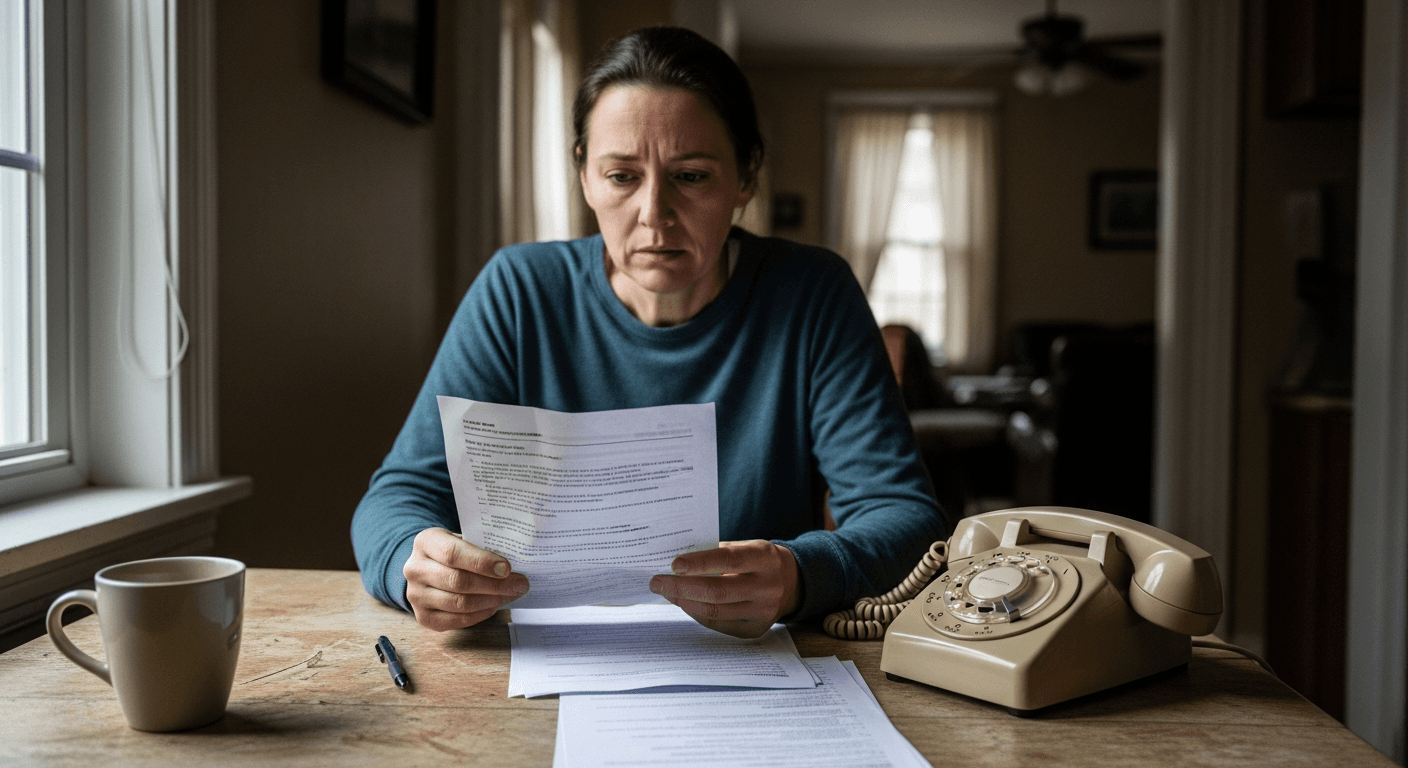
FDCPA Violations Attorneys
Experienced legal representation for fdcpa violations matters across all 50 states.
About FDCPA Violations
The Fair Debt Collection Practices Act (FDCPA) is a federal law that regulates the conduct of third-party debt collectors who attempt to collect consumer debts. Enacted in 1977 and codified at 15 U.S.C. sections 1692 through 1692p, the FDCPA was designed to eliminate abusive, deceptive, and unfair debt collection practices that were causing widespread harm to consumers. The statute applies to personal, family, and household debts — including credit card debt, medical bills, auto loans, student loans, and mortgage deficiencies — and covers the full range of collection activities from initial contact through litigation.
The FDCPA prohibits a wide range of specific practices. Debt collectors may not call consumers before 8:00 a.m. or after 9:00 p.m., use threatening or abusive language, misrepresent the amount or character of a debt, threaten legal action they do not intend to take, contact consumers who are represented by an attorney, communicate with third parties about a consumer's debt, or use deceptive means to collect. The statute also establishes important procedural requirements: within five days of initial contact, a collector must send a written validation notice identifying the creditor, the amount owed, and the consumer's right to dispute the debt. If the consumer disputes the debt in writing within 30 days, the collector must cease collection until it provides verification.
FDCPA violations are surprisingly common. Debt collection consistently ranks as the number one or two most-complained-about industry in both FTC and CFPB complaint databases. Consumers who have been subjected to illegal collection practices have the right to sue the collector for statutory damages of up to $1,000 per lawsuit, actual damages including emotional distress, and attorney fees. Because the FDCPA provides mandatory fee-shifting, consumers can retain experienced attorneys without paying any upfront costs. FDCPA attorneys play a critical role in enforcing the law, as the statute relies heavily on private enforcement to achieve its goals.
Why You Need a FDCPA Violations Attorney
FDCPA enforcement matters because abusive debt collection practices cause real harm — financial, emotional, and psychological — to millions of Americans. The CFPB reports that approximately 70 million Americans have debts in collection, and many of them experience harassing phone calls, threatening letters, and illegal tactics from collectors. The stress of aggressive debt collection has been linked to anxiety, depression, and even physical health problems. Many consumers do not realize that debt collectors are bound by federal law and that they have enforceable rights.
The FDCPA also protects the integrity of the debt collection process itself. When collectors misrepresent the amount owed, fail to validate debts, or sue on time-barred debts, they undermine consumers' ability to manage their financial obligations in good faith. Many consumers pay debts they do not actually owe or pay inflated amounts because they are intimidated by illegal collection tactics. Effective FDCPA enforcement ensures that collectors operate within legal boundaries, that consumers only pay legitimate debts in accurate amounts, and that the collection industry as a whole maintains a level of professionalism that protects both consumers and creditors.
Common FDCPA Violations Cases
Harassment and Abuse
Pursuing claims against debt collectors who engage in repeated and excessive phone calls, use profane or threatening language, make threats of violence, or publicly shame consumers about their debts.
False or Misleading Representations
Representing consumers against collectors who misrepresent the amount owed, falsely claim to be attorneys or government agents, threaten arrest or criminal prosecution, or misstate the legal consequences of nonpayment.
Validation Failures
Bringing claims when a collector fails to send the required written validation notice within five days of initial contact or continues collection activity after a consumer disputes the debt without providing proper verification.
Communication Violations
Challenging collectors who call at prohibited hours, contact consumers at their workplace after being told to stop, communicate with third parties about the debt, or continue contacting consumers who have sent a cease-and-desist letter.
Time-Barred Debt Collection
Defending consumers against collectors who sue on debts that are beyond the applicable statute of limitations or who attempt to revive time-barred debts through deceptive tactics designed to elicit a partial payment.
Debt Collection Lawsuits
Defending consumers in collection lawsuits and filing counterclaims for FDCPA violations, including cases where the collector filed suit without proper documentation or sued the wrong person.
Credit Reporting Violations
Pursuing claims against collectors who report inaccurate information to credit bureaus, fail to report a debt as disputed, or continue reporting after the consumer has disputed the debt and the collector cannot verify it.
Unfair Practices
Challenging collectors who add unauthorized fees or charges to the debt amount, deposit post-dated checks prematurely, threaten property seizure they have no legal right to execute, or collect amounts not authorized by the underlying agreement.
Typical FDCPA Violations Case Timeline
Initial Consultation & Violation Assessment
1-2 weeksThe attorney reviews your call logs, voicemails, letters, text messages, and credit reports to identify specific FDCPA violations and assess the strength of your case.
Demand Letter or Direct Filing
1-4 weeksDepending on the case, the attorney may send a demand letter or proceed directly to filing a lawsuit. FDCPA cases often move quickly because the violations are clear-cut and the statute provides straightforward remedies.
Discovery
2-5 monthsBoth parties exchange documents and information. Key discovery includes the collector's call records, policies and procedures, training materials, account notes, and communications about your account.
Settlement Negotiations
1-3 monthsMost FDCPA cases settle before trial. Settlement typically includes statutory damages, actual damages if applicable, deletion of the debt from credit reports, and payment of attorney fees.
Trial (if needed)
1-3 daysIf settlement cannot be reached, the case proceeds to trial. FDCPA trials are relatively straightforward, with the consumer presenting evidence of the violations and the collector asserting any available defenses.
Know Your Rights
- Debt collectors cannot call you before 8:00 a.m. or after 9:00 p.m. in your local time zone, or at any time or place known to be inconvenient to you.
- You have the right to send a written cease-and-desist letter directing a collector to stop contacting you. The collector must honor this request, with limited exceptions for notifying you of specific legal actions.
- You have the right to dispute a debt in writing within 30 days of receiving the validation notice. Once disputed, the collector must stop all collection activity until it provides verification of the debt.
- Debt collectors cannot contact your friends, family, neighbors, or employer about your debt, except to obtain your location information, and only once per person.
- Debt collectors cannot threaten to sue you if they have no intention of doing so, cannot threaten arrest or criminal prosecution for consumer debts, and cannot misrepresent the legal consequences of nonpayment.
- You have the right to sue a debt collector who violates the FDCPA and recover statutory damages, actual damages, and attorney fees without paying any upfront costs.
- If a debt collector sues you on a time-barred debt — one that is past the statute of limitations — you have the right to raise the statute of limitations as an affirmative defense to have the case dismissed.
What to Look for in a FDCPA Violations Attorney
When selecting an FDCPA attorney, look for a lawyer who concentrates on consumer debt defense and debt collection abuse. The FDCPA is a technical statute with specific procedural requirements, and attorneys who regularly litigate these cases will know the nuances that can make or break a claim. Ask how many FDCPA cases the attorney has handled, their success rate, and whether they have experience with the specific type of violation you experienced — harassment, validation failures, false representations, or unfair practices.
FDCPA cases are handled on a fee-shifting basis, meaning the debt collector pays your attorney fees if you prevail. You should not need to pay anything upfront. Confirm this arrangement during the initial consultation. Look for an attorney who is a member of the National Association of Consumer Advocates (NACA) and who stays current on FDCPA developments, including the CFPB's Regulation F, which modernized many FDCPA requirements in 2021. Ask whether the attorney also handles related claims under state debt collection statutes, the Fair Credit Reporting Act, and the Telephone Consumer Protection Act, as debt collection violations often involve multiple overlapping laws.
Questions to Ask Your FDCPA Violations Attorney
- 1What specific FDCPA violations can you identify based on the collection activity I have experienced?
- 2Do I have claims under both the FDCPA and my state's debt collection statute?
- 3Will you handle my case on a fee-shifting basis with no upfront costs to me?
- 4Can you also address the underlying debt as part of resolving the FDCPA violation?
- 5Should I continue communicating with the debt collector, or should I send a cease-and-desist letter?
- 6What actual damages, including emotional distress, can I claim in addition to statutory damages?
- 7How will this case affect the debt itself — will it be deleted from my credit reports as part of the settlement?
Understanding FDCPA Violations Legal Costs
FDCPA cases are handled on a fee-shifting basis, meaning you pay nothing upfront and the debt collector is required to pay your attorney's reasonable fees if you prevail. The FDCPA's fee-shifting provision at 15 U.S.C. section 1692k(a)(3) mandates this result, making it one of the most consumer-friendly fee structures in litigation. You can recover statutory damages up to $1,000 per lawsuit (up to $500,000 or 1 percent of the collector's net worth in class actions), actual damages for financial harm and emotional distress, and attorney fees and costs. Because the fee-shifting provision is mandatory, experienced FDCPA attorneys can take cases with modest damages knowing they will be compensated by the collector. Some attorneys may charge a small contingency on actual damages in addition to the fee-shifted amount. Confirm the fee arrangement during your initial consultation.
Key Legal Terms
Video Resources
These videos are provided for informational purposes only. The attorneys and organizations featured are not affiliated with or endorsed by Northwind Law.
The Fair Debt Collection Practices Act Explained
LawShelf
Your Rights Under the FDCPA - Debt Collection Abuse
Consumer Warrior Project
Debt Collectors and Your Rights: What You Need to Know
Khan Academy
Frequently Asked Questions About FDCPA Violations
Citations & Sources
- [1]The CFPB received approximately 350,000 debt collection complaints in 2023, making it the most-complained-about financial industry, with attempts to collect debts not owed being the most common issue. — CFPB Consumer Complaint Database
- [2]Approximately 70 million Americans — roughly one in four adults — have at least one debt in collection, with medical debt, utility debt, and telecommunications debt being the most common categories. — CFPB Research Report on Debt Collection
- [3]The CFPB's Regulation F, effective November 30, 2021, comprehensively updated FDCPA rules for the first time since the statute's enactment, addressing modern communication methods including text messages, emails, and social media. — CFPB Regulation F Final Rule
- [4]The FTC and CFPB have collectively brought over 100 enforcement actions against debt collection companies in recent years, resulting in hundreds of millions of dollars in consumer redress and civil penalties. — FTC Annual Highlights Report
- [5]The Urban Institute estimates that over $200 billion in consumer debt is in collection in the United States, with the highest concentrations in Southern and Southwestern states. — Urban Institute, Debt in America
Ready to Discuss Your FDCPA Violations Case?
Speak with a experienced fdcpa violations attorney. Free consultations available.