
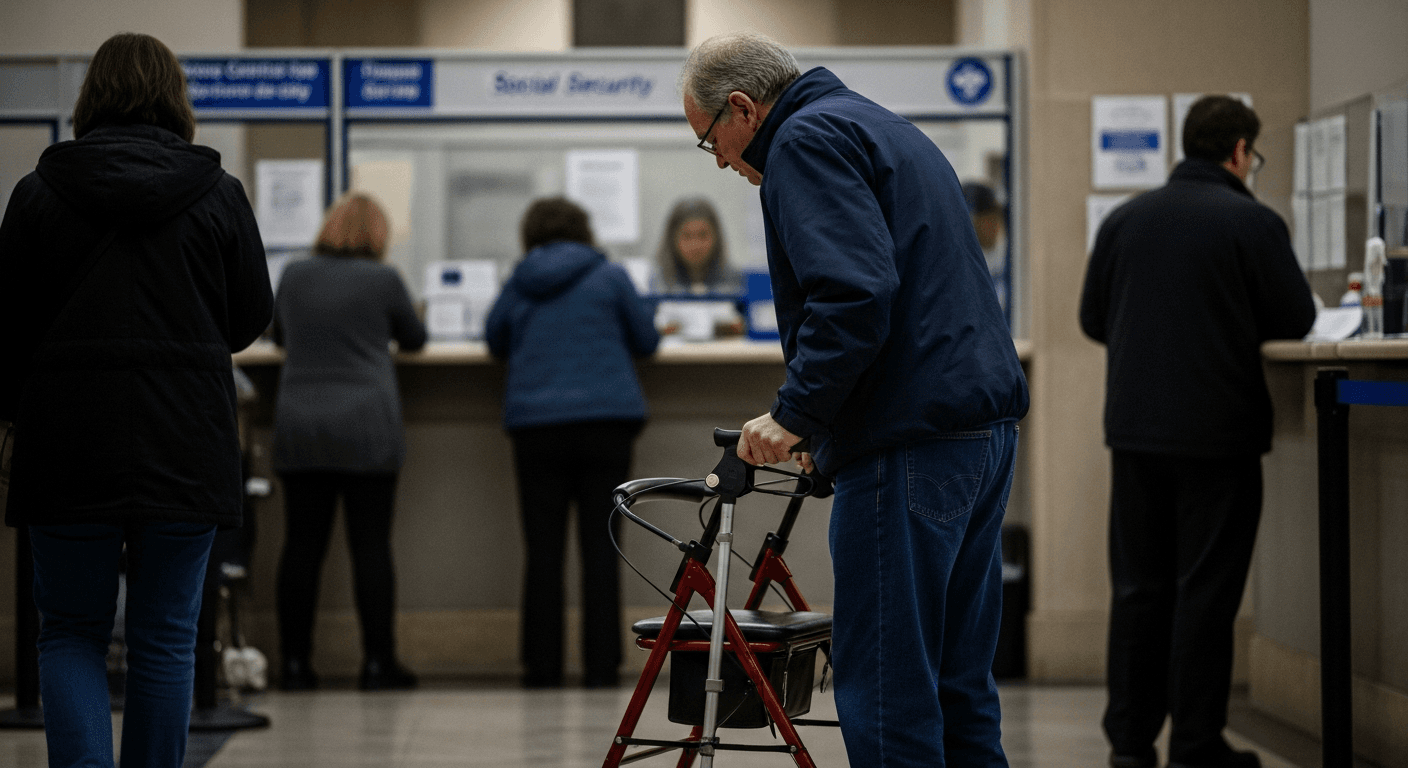
Social Security Disability Attorneys
Experienced legal representation for social security disability matters across all 50 states.
About Social Security Disability
Social Security Disability law encompasses the federal programs that provide financial assistance to individuals who are unable to work due to severe, long-term medical conditions. The two primary programs are Social Security Disability Insurance (SSDI), which is available to workers who have paid into the Social Security system through payroll taxes, and Supplemental Security Income (SSI), which provides means-tested benefits to disabled individuals with limited income and resources regardless of work history. Both programs are administered by the Social Security Administration (SSA) and share the same basic definition of disability, but they differ significantly in eligibility requirements and benefit calculations.
To qualify for disability benefits, an applicant must demonstrate that they have a medically determinable physical or mental impairment that prevents them from engaging in substantial gainful activity (SGA) and that is expected to last at least 12 months or result in death. The SSA uses a five-step sequential evaluation process to determine eligibility, examining the severity of the condition, whether it meets or equals a listed impairment in the SSA's Blue Book, the applicant's residual functional capacity, and whether they can perform their past work or any other work available in the national economy. This process is detailed, often slow, and heavily dependent on medical evidence.
The Social Security disability system is notoriously difficult to navigate. Initial applications are denied at a rate of approximately 60 to 70 percent nationwide. Many valid claims are rejected due to insufficient medical documentation, errors in paperwork, or a misunderstanding of the SSA's strict eligibility criteria. The appeals process, which can include reconsideration, a hearing before an Administrative Law Judge (ALJ), review by the Appeals Council, and federal court litigation, can take months to years. Understanding the procedural requirements and building a strong evidentiary record from the outset is critical to a successful outcome.
Why You Need a Social Security Disability Attorney
A disabling medical condition can devastate a person's financial stability virtually overnight. When illness or injury prevents you from working, Social Security disability benefits may be your primary lifeline for covering basic necessities like housing, food, and medical care. SSDI beneficiaries also qualify for Medicare coverage after a 24-month waiting period, and SSI recipients typically receive Medicaid automatically, making these programs vital gateways to healthcare for people with serious medical conditions.
Despite the critical importance of these benefits, the application process is designed to be rigorous, and the SSA's own data shows that most initial claims are denied. Applicants who are represented by an attorney or qualified representative at the hearing level have significantly higher approval rates than those who represent themselves. An experienced disability attorney understands how to document functional limitations, obtain supportive medical opinions, and present a case effectively before an ALJ. Given that the average processing time from initial application through an ALJ hearing can exceed two years in many regions, having proper guidance from the start can prevent costly delays and denials.
Common Social Security Disability Cases
Initial SSDI Applications
Assisting individuals who have worked and paid Social Security taxes in filing their initial disability applications, ensuring thorough medical documentation and accurate work history reporting.
SSI Claims
Helping individuals with limited income and resources who are disabled, blind, or aged (65+) apply for Supplemental Security Income benefits, including navigating the financial eligibility requirements.
ALJ Hearing Representation
Representing claimants at hearings before Administrative Law Judges, which is often the most critical stage of the appeals process where the majority of approvals occur after an initial denial.
Appeals Council & Federal Court Appeals
Pursuing further appeals when an ALJ denies a claim, including requesting review by the SSA Appeals Council and filing civil actions in federal district court.
Continuing Disability Reviews (CDR)
Defending existing benefits when the SSA conducts periodic reviews to determine whether a beneficiary's medical condition has improved enough to return to work.
Overpayment Disputes
Challenging SSA determinations that a beneficiary was overpaid, including requesting waivers and negotiating repayment terms to prevent benefit reductions or termination.
Children's SSI Claims
Filing disability claims for children under 18 with severe physical or mental impairments, which use a different functional assessment standard than adult claims.
Disability Based on Mental Health Conditions
Building claims for individuals with depression, anxiety, bipolar disorder, PTSD, schizophrenia, and other mental health conditions, which require specific types of medical evidence and functional documentation.
Typical Social Security Disability Case Timeline
Initial Application
3-6 monthsFiling the initial disability application with the SSA, either online, by phone, or at a local field office. The SSA's Disability Determination Services (DDS) reviews medical evidence and makes the initial decision.
Reconsideration Appeal
3-6 monthsIf denied initially, you file a Request for Reconsideration within 60 days. A different DDS examiner reviews the entire case, including any new evidence submitted.
ALJ Hearing Request
12-18 months waitAfter a reconsideration denial, you request a hearing before an Administrative Law Judge. Wait times vary significantly by hearing office location. This is the stage where most successful claims are approved.
ALJ Hearing
1-2 hoursAn in-person or video hearing where the ALJ questions the claimant and often a vocational expert. Your attorney presents evidence, examines witnesses, and argues your case.
Decision
4-12 weeks after hearingThe ALJ issues a written decision. If approved, the decision specifies the onset date of disability, which determines back benefit payments. If denied, further appeals are possible.
Appeals Council / Federal Court
6-24 monthsIf the ALJ denies your claim, you may request Appeals Council review within 60 days. If that fails, you can file a civil action in federal district court within 60 days of the Appeals Council's decision.
Know Your Rights
- You have the right to appeal any denial of Social Security disability benefits within 60 days of receiving the decision.
- You have the right to be represented by an attorney or qualified non-attorney representative at every stage of the disability process, including hearings.
- You have the right to review your complete SSA file, including all medical evidence and internal notes, before your hearing.
- You have the right to submit new medical evidence at any point during the appeals process, including at the ALJ hearing.
- If your benefits are terminated due to a Continuing Disability Review, you have the right to appeal and can elect to continue receiving benefits during the appeal.
- You have the right to request a fee waiver for Medicare premiums if your income is below certain thresholds.
- You are protected from retaliation by employers for filing a disability claim, and your disability records are confidential.
What to Look for in a Social Security Disability Attorney
When choosing a Social Security disability attorney or representative, look for someone who focuses primarily on disability claims rather than treating it as a side practice. Ask how many ALJ hearings they have attended and their approximate success rate. Experienced disability representatives understand how different ALJ judges evaluate evidence and can tailor their presentation accordingly. Check whether the attorney works on a contingency fee basis, which is standard in Social Security disability cases: the fee is typically 25 percent of back benefits owed, capped at a maximum set by the SSA (currently $7,200). This means you pay nothing upfront and nothing if you lose. Be wary of any representative who asks for payment before your case is won. A good disability attorney will also help you obtain and organize your medical records, arrange consultative examinations if needed, and prepare you thoroughly for your hearing testimony. Look for attorneys familiar with your local hearing office, as ALJ approval rates can vary significantly by region.
Questions to Ask Your Social Security Disability Attorney
- 1What is your success rate at ALJ hearings, and how many disability cases do you handle per year?
- 2Will you personally represent me at my hearing, or will another attorney or representative from your office appear?
- 3How will you help me gather and organize the medical evidence needed to support my claim?
- 4Do you charge for expenses like obtaining medical records, or are those included in the contingency fee?
- 5What can I do to strengthen my case while waiting for my hearing date?
- 6How familiar are you with the ALJs at my local hearing office, and does that affect case strategy?
- 7If my claim is denied at the hearing level, will you continue to represent me on further appeals?
Understanding Social Security Disability Legal Costs
Social Security disability attorneys almost universally work on a contingency fee basis, meaning you pay nothing upfront and owe no fee unless your case is approved. The standard fee is 25 percent of past-due benefits (backpay), subject to a maximum cap currently set at $7,200 by the SSA. This fee structure is regulated by federal law and must be approved by the SSA. For example, if you are awarded $20,000 in back benefits, the attorney fee would be $5,000. If your back benefits total $40,000, the fee would be capped at $7,200. Some attorneys may charge for out-of-pocket expenses such as obtaining medical records, but many absorb these costs. For federal court appeals beyond the SSA level, attorneys may charge additional fees under the Equal Access to Justice Act (EAJA) if the case is successful, but these fees are paid by the government rather than the claimant.
Key Legal Terms
Video Resources
These videos are provided for informational purposes only. The attorneys and organizations featured are not affiliated with or endorsed by Northwind Law.
What You Need to Know in Applying for Social Security Disability Benefits
Dana-Farber Cancer Institute
Social Security and Disability Benefits Webinar
Dana-Farber Cancer Institute
Helping Others Apply for Social Security Disability Insurance Benefits
CMSHHSgov
Frequently Asked Questions About Social Security Disability
Citations & Sources
- [1]Approximately 62 percent of initial Social Security disability applications are denied, making the appeals process essential for most successful claimants. — Social Security Administration Annual Statistical Report
- [2]There are approximately 7.6 million disabled workers receiving SSDI benefits as of 2024, with an average monthly benefit of $1,537. — Social Security Administration
- [3]Claimants represented by attorneys at ALJ hearings have significantly higher approval rates than unrepresented claimants, with some studies showing representation increases the likelihood of approval by 50 percent or more. — Government Accountability Office (GAO)
- [4]The five-step sequential evaluation process used by the SSA considers severity, listed impairments, residual functional capacity, past work, and other available work in determining disability. — Social Security Administration, 20 CFR 404.1520
- [5]The SSA's Compassionate Allowances program expedites processing for applicants with certain severe conditions, including many cancers, adult brain disorders, and rare diseases. — Social Security Administration
Ready to Discuss Your Social Security Disability Case?
Speak with a experienced social security disability attorney. Free consultations available.