
Repossession Attorneys
Experienced legal representation for repossession matters across all 50 states.
About Repossession
Repossession law governs the legal process by which a creditor reclaims personal property — most commonly vehicles — when a borrower defaults on a secured loan. Under the Uniform Commercial Code (UCC) Article 9, which has been adopted in some form by all 50 states, a secured creditor has the right to repossess collateral without a court order, provided the repossession can be accomplished without breaching the peace. This "self-help" repossession right is one of the most powerful tools available to secured creditors, but it is also one of the most strictly regulated to prevent abuse and protect consumers from unlawful seizures.
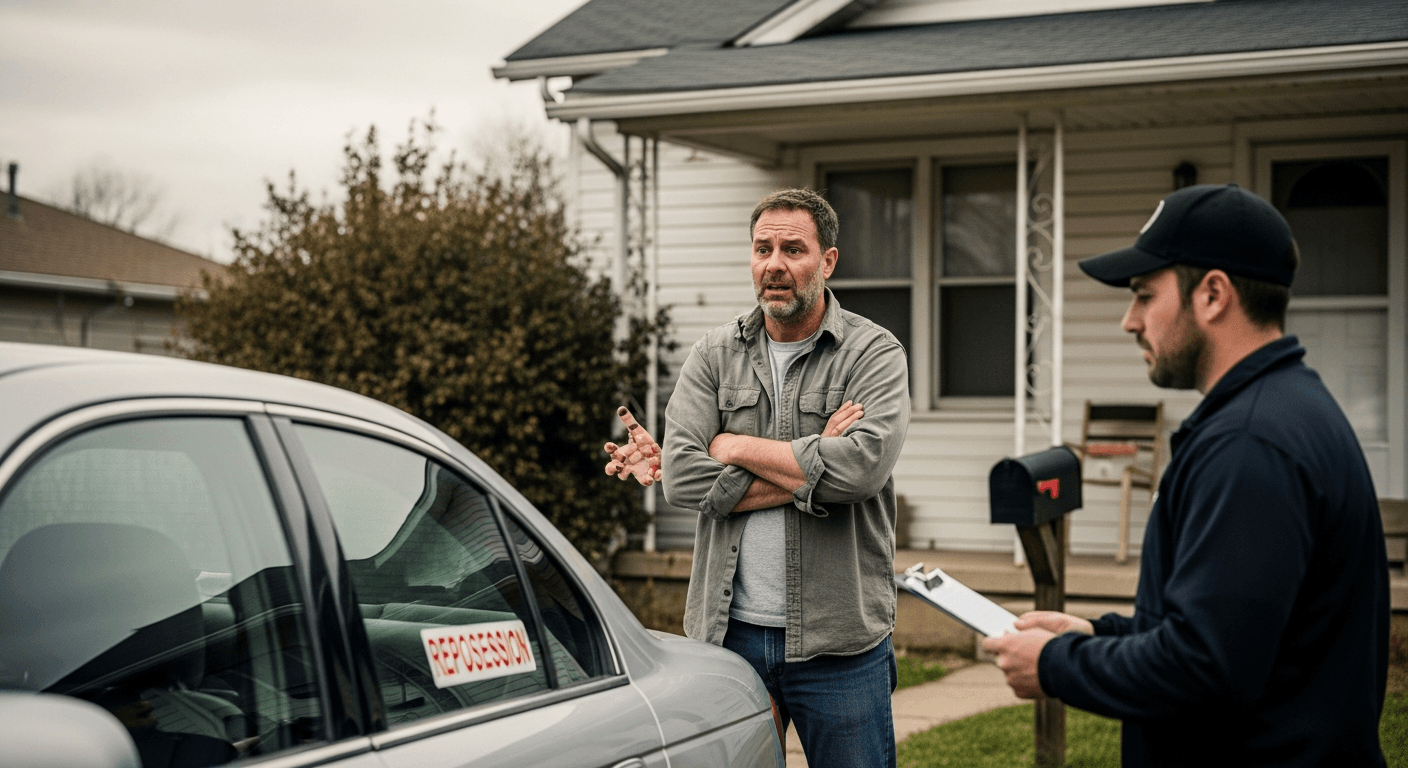
The concept of "breach of the peace" is central to repossession law and is determined on a case-by-case basis. Generally, a repossession agent may take a vehicle from a public street, driveway, or open parking area, but may not enter a closed garage, use physical force or threats, confront the debtor in a manner likely to cause a disturbance, or ignore a debtor's verbal objection to the repossession. If a breach of the peace occurs, the repossession is unlawful and the creditor may be liable for damages, including conversion (wrongful taking of property), trespass, assault, and violations of state consumer protection statutes.
After repossession, creditors must comply with strict notice and sale requirements. The debtor must be notified of the right to redeem the vehicle by paying the full balance owed (plus repossession costs) before the vehicle is sold. The creditor must sell the vehicle in a "commercially reasonable manner" — typically at a public or private auction — and apply the proceeds to the debt. If the sale price does not cover the remaining loan balance, the creditor may pursue the debtor for a deficiency judgment. However, if the creditor fails to comply with UCC notice and sale requirements, the debtor may have a defense against any deficiency claim and potentially a right to damages. Several states have enacted additional protections, including mandatory waiting periods before sale, specific notice requirements, and limitations on deficiency judgments for lower-value vehicles.
Why You Need a Repossession Attorney
Vehicle repossession affects hundreds of thousands of Americans every year and has cascading consequences that extend far beyond the loss of a car. According to the Federal Reserve and auto lending data, auto loan delinquency rates have risen substantially in recent years, with over 2.5 million borrowers 90 or more days delinquent on auto loans as of late 2023. For many Americans, losing a vehicle means losing the ability to get to work, take children to school, access medical care, and meet other essential daily needs. The financial consequences compound rapidly — the borrower loses the vehicle but often still owes a substantial deficiency balance, their credit score drops significantly, and they may face difficulty obtaining replacement transportation.
Repossession practices are also a significant source of consumer abuse. Some lenders and repossession agents engage in wrongful repossession — seizing vehicles when the borrower is not actually in default, repossessing from military service members in violation of the Servicemembers Civil Relief Act (SCRA), or committing breaches of the peace during the repossession process. An experienced repossession defense attorney can help consumers understand their rights, challenge improper repossessions, negotiate reinstatement agreements, defend against deficiency lawsuits, and when necessary, use bankruptcy to recover repossessed vehicles before they are sold.
Common Repossession Cases
Wrongful Repossession
Challenging repossessions that were carried out improperly, including breach of the peace during seizure, repossession when the borrower was not actually in default, or failure to provide required pre-repossession notices mandated by state law.
Deficiency Balance Defense
Defending against lawsuits seeking the difference between what was owed on the auto loan and the price obtained at the repossession sale, challenging whether the vehicle was sold in a commercially reasonable manner as required by the UCC.
Vehicle Redemption and Reinstatement
Helping borrowers exercise their right to redeem a repossessed vehicle by paying the full balance owed, or in states that allow reinstatement, catching up on missed payments and fees to have the vehicle returned and the loan reinstated.
Breach of Peace Claims
Filing claims against creditors and repossession agents who used force, threats, intimidation, entered enclosed structures, or ignored the debtor's objections during the repossession process, which renders the repossession unlawful.
Bankruptcy Vehicle Recovery
Filing for bankruptcy to invoke the automatic stay and compel return of a repossessed vehicle that has not yet been sold. Chapter 13 bankruptcy can also reduce the loan balance to the vehicle's current market value through cramdown for loans originated more than 910 days before filing.
Servicemembers Civil Relief Act (SCRA) Violations
Protecting active-duty military service members from repossession of vehicles financed before military service without a court order, and challenging repossessions that violate the SCRA's protections for service members.
Title Lending and Predatory Auto Lending
Challenging repossessions arising from predatory auto title loans with triple-digit interest rates, deceptive lending practices, or unconscionable loan terms that violate state consumer protection laws.
Personal Property Recovery
Recovering personal belongings that were inside a vehicle at the time of repossession, which the creditor is required to make available to the borrower. Failure to return personal property may constitute conversion.
Typical Repossession Case Timeline
Immediate Response After Repossession
24–72 hoursThe attorney assesses the circumstances of the repossession, reviews the loan agreement and payment history, and determines whether the repossession was lawful. If the vehicle has not been sold, emergency action may be taken to recover it.
Notice and Right to Redeem
10–21 days after repossessionThe creditor is required to send written notice of the right to redeem the vehicle before it is sold. The attorney reviews this notice for compliance with state law and advises on whether redemption, reinstatement, or bankruptcy is the best strategy.
Challenge or Recovery Action
1–4 weeksThe attorney files the appropriate action — a bankruptcy petition to compel return, a wrongful repossession claim, or a challenge to the sale process. If filing for bankruptcy, the automatic stay takes effect immediately, requiring return of the vehicle.
Deficiency Judgment Defense (if applicable)
2–6 monthsIf the creditor sues for the deficiency balance after selling the vehicle, the attorney raises defenses including failure to provide proper notice, commercially unreasonable sale, and improper calculation of the deficiency amount.
Damages Claim Resolution
3–12 monthsIf the repossession was wrongful, claims for conversion, trespass, breach of peace, and statutory violations are pursued through negotiation or litigation, seeking compensatory and in some cases punitive damages.
Know Your Rights
- A repossession agent cannot breach the peace when repossessing your vehicle. This means they cannot use or threaten force, enter a closed garage or gated area, ignore your verbal objection to the repossession, or create a public disturbance. If they do, the repossession is unlawful.
- After repossession, the creditor must send you written notice of your right to redeem the vehicle before it is sold. Redemption typically requires paying the full loan balance plus repossession and storage costs, but some states allow reinstatement by catching up on missed payments.
- The creditor must sell the repossessed vehicle in a commercially reasonable manner. If the vehicle is sold for significantly less than fair market value due to inadequate advertising, poor timing, or improper sale procedures, you may have a defense against a deficiency claim.
- If you are an active-duty military service member and the auto loan was originated before your military service began, the Servicemembers Civil Relief Act prohibits repossession without a court order, regardless of default.
- Personal belongings left inside a repossessed vehicle belong to you, not the creditor. The creditor must provide reasonable opportunity for you to retrieve your personal property, and failure to do so may constitute conversion.
- Filing for bankruptcy before the vehicle is sold triggers the automatic stay and can compel the creditor to return the vehicle. Chapter 13 bankruptcy may also allow you to reduce the loan balance to the vehicle's current value through cramdown if the loan is more than 910 days old.
- You have the right to receive a detailed accounting of the sale proceeds and how they were applied to your debt. The creditor must credit the full sale price against your balance before pursuing any deficiency.
What to Look for in a Repossession Attorney
When seeking an attorney for a repossession issue, look for experience specifically in consumer protection, auto fraud, or debtor's rights. The attorney should be thoroughly familiar with UCC Article 9 as adopted in your state, your state's specific repossession notice and sale requirements, and the defenses available against deficiency judgments. Ask how many repossession cases they have handled and whether they have experience challenging commercially unreasonable sales, which is often the strongest defense against deficiency claims. If you are an active-duty military service member, ensure the attorney understands the Servicemembers Civil Relief Act. If your vehicle was recently repossessed and has not yet been sold, speed is critical — an attorney experienced in emergency bankruptcy filings can invoke the automatic stay to compel return of the vehicle. Fee arrangements vary; some consumer protection attorneys handle wrongful repossession cases on contingency, while deficiency defense and bankruptcy filings typically involve flat fees or hourly rates. Many offer free or low-cost initial consultations.
Questions to Ask Your Repossession Attorney
- 1Was the repossession conducted without a breach of the peace, and did the creditor comply with all state-required notice and procedural requirements?
- 2Has the vehicle been sold yet, and if not, can I recover it through bankruptcy, redemption, or reinstatement?
- 3Was the vehicle sold in a commercially reasonable manner, and do I have grounds to challenge the deficiency balance they claim I owe?
- 4Are there any predatory lending claims related to the original auto loan that might provide additional defenses or counterclaims?
- 5Would Chapter 13 bankruptcy allow me to recover the vehicle and reduce the loan balance through cramdown?
- 6Am I protected under the Servicemembers Civil Relief Act or any state-specific repossession protections?
- 7What personal property was in the vehicle, and how do I recover it from the creditor or repossession company?
Understanding Repossession Legal Costs
Attorney fees for repossession cases vary based on the specific service needed. Emergency bankruptcy filings to recover a repossessed vehicle typically cost $1,500 to $3,500 including the court filing fee, with Chapter 13 allowing the debtor to catch up on payments over time. Defense against deficiency judgment lawsuits is often handled for flat fees of $1,000 to $2,500 or hourly rates of $150 to $350. Wrongful repossession claims, particularly those involving breach of peace, SCRA violations, or predatory lending, may be handled on a contingency basis where the attorney receives a percentage (typically 33-40%) of any damages recovered. Some states provide for statutory damages and attorney fee-shifting in wrongful repossession cases, reducing or eliminating out-of-pocket costs for the consumer. Initial consultations for repossession cases are typically free or low-cost, and given the time-sensitive nature of these cases, most attorneys will prioritize the initial evaluation.
Key Legal Terms
Video Resources
These videos are provided for informational purposes only. The attorneys and organizations featured are not affiliated with or endorsed by Northwind Law.
Can a Repo Man Enter My Property? Know Your Rights
Consumer Warrior
What Happens When Your Car Gets Repossessed
Investopedia
Car Repossession: How Does It Work?
Honest Finance
Frequently Asked Questions About Repossession
Citations & Sources
- [1]The Federal Reserve Bank of New York reported that total U.S. auto loan debt reached $1.61 trillion by Q4 2023, with over 2.5 million borrowers 90 or more days delinquent, the highest level since 2010. — Federal Reserve Bank of New York, Household Debt and Credit Report
- [2]Under UCC § 9-609, a secured party may take possession of collateral after default without judicial process if it proceeds without breach of the peace, establishing the framework for self-help repossession in all 50 states. — Uniform Commercial Code, Article 9
- [3]The Consumer Financial Protection Bureau found that auto loan delinquencies among subprime borrowers exceeded 6% for loans 60 or more days past due in late 2023, reflecting significant financial stress in the subprime auto lending market. — Consumer Financial Protection Bureau
- [4]Under the Servicemembers Civil Relief Act, 50 U.S.C. § 3952, a creditor may not repossess property secured by an obligation originating before military service without first obtaining a court order while the borrower is on active duty or within one year thereafter. — Servicemembers Civil Relief Act
- [5]UCC § 9-610 requires that every aspect of a disposition of collateral, including the method, manner, time, place, and terms, must be commercially reasonable, and failure to comply may bar the creditor from recovering a deficiency. — Uniform Commercial Code, Article 9
Ready to Discuss Your Repossession Case?
Speak with a experienced repossession attorney. Free consultations available.