
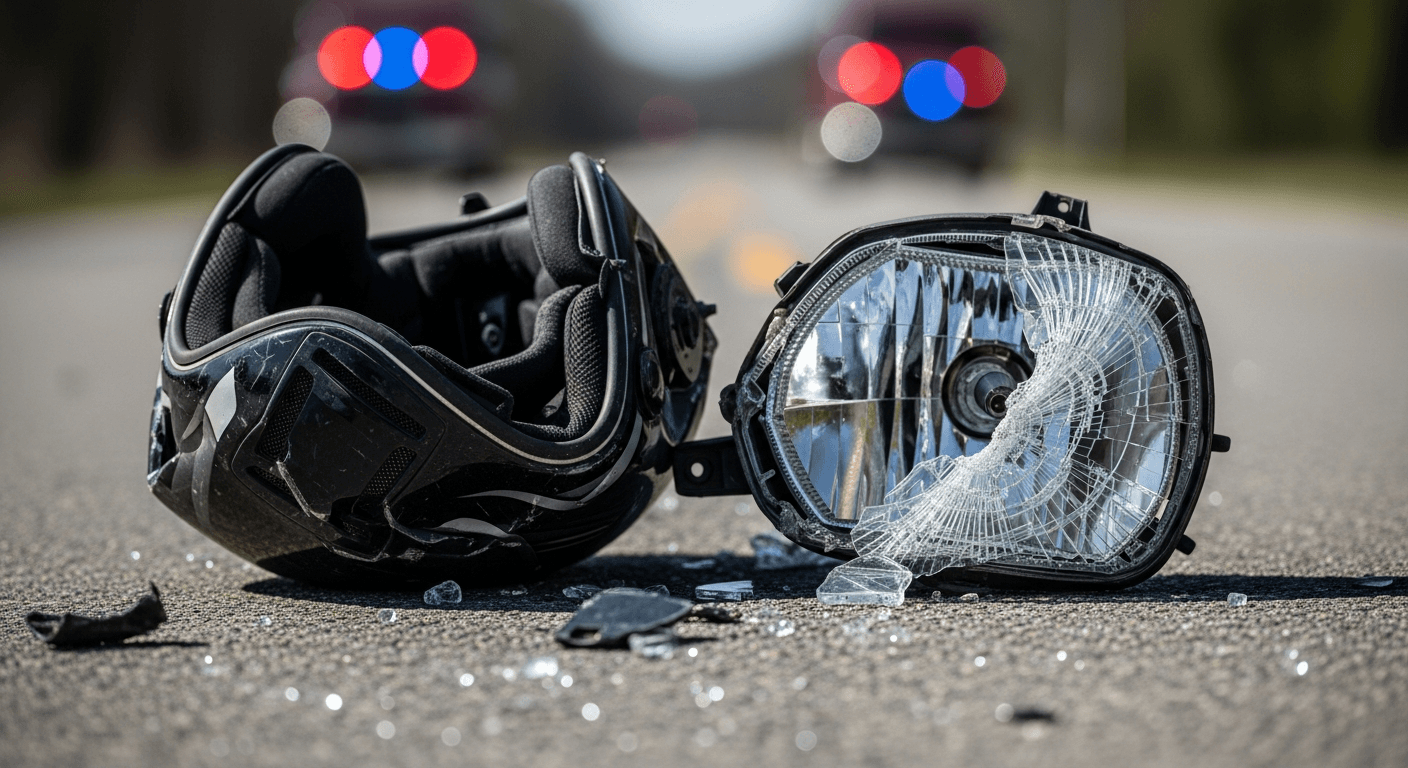
Motorcycle Accident Attorneys
Experienced legal representation for motorcycle accident matters across all 50 states.
About Motorcycle Accident
Motorcycle accidents present unique legal challenges and often result in disproportionately severe injuries compared to other vehicle collisions. Without the structural protection of an enclosed vehicle — no seatbelts, airbags, or steel frame — motorcyclists are exposed to the full force of impact, making even moderate-speed crashes potentially catastrophic. Road rash, traumatic brain injuries, broken bones, spinal cord damage, and limb amputations are tragically common outcomes in motorcycle collisions.
The legal framework for motorcycle accident claims is rooted in the same negligence principles that govern other vehicle accident cases, but several factors make these cases more complex. Bias against motorcyclists is widespread among insurance adjusters, jurors, and even judges, who may assume that the rider was engaging in reckless behavior regardless of the actual facts. Overcoming this bias requires meticulous evidence collection, expert testimony, and skilled legal advocacy. Additionally, motorcycle accident cases often involve disputes about helmet use, lane splitting, and the visibility of the motorcycle — all of which can affect liability determinations and damage awards.
According to the National Highway Traffic Safety Administration, motorcyclists are approximately 24 times more likely to die in a crash per vehicle mile traveled than occupants of passenger cars. In 2022, over 6,000 motorcyclists were killed in traffic crashes, representing a significant and persistent portion of overall traffic fatalities. Despite comprising only about 3% of registered vehicles, motorcycles account for a disproportionate share of traffic deaths and injuries. These statistics reflect both the inherent vulnerability of motorcyclists and the failure of many passenger vehicle drivers to share the road safely.
Why You Need a Motorcycle Accident Attorney
Motorcycle accidents frequently cause injuries that are far more severe than those sustained in car-on-car collisions. A motorcyclist involved in a crash at highway speed may suffer injuries that require months of hospitalization, multiple surgeries, and years of rehabilitation. Many victims face permanent disabilities that prevent them from returning to work or performing daily activities they once took for granted.
Despite the severity of these injuries, motorcyclists often face an uphill battle when pursuing compensation. Insurance companies exploit anti-motorcyclist bias to minimize payouts, arguing that riders assumed the risk of injury by choosing to ride. Experienced motorcycle accident attorneys understand these tactics and know how to present evidence that shifts the focus to the at-fault driver's negligence. Securing full and fair compensation is essential for motorcycle crash survivors to access the long-term medical care, adaptive equipment, and support services they need.
Common Motorcycle Accident Cases
Left-Turn Accidents
The most common type of fatal motorcycle accident, occurring when a car makes a left turn in front of an oncoming motorcycle. Drivers frequently fail to see or misjudge the speed of approaching motorcycles.
Lane-Change Collisions
Accidents caused by drivers changing lanes without checking their blind spots, sideswipping a motorcyclist or forcing them off the road. Motorcycles are easily hidden in vehicle blind spots.
Rear-End Collisions
Crashes where a car strikes a motorcycle from behind, often at intersections or in stop-and-go traffic. Even low-speed rear-end collisions can throw a rider from the motorcycle.
Road Hazard Accidents
Crashes caused by potholes, gravel, debris, oil spills, uneven pavement, or railroad tracks that pose minimal risk to cars but can cause a motorcyclist to lose control.
Door-Opening Accidents (Dooring)
Incidents where a parked vehicle's occupant opens a door into the path of an approaching motorcyclist, causing a collision. These accidents are especially common in urban areas.
Speed and Reckless Driving Accidents
Crashes involving excessive speed, aggressive driving, or racing. While some motorcyclists engage in risky behavior, negligent car drivers who speed also cause devastating motorcycle crashes.
Defective Motorcycle or Parts
Accidents caused by defective motorcycle components such as brakes, tires, fuel systems, or helmets. Manufacturers may be held strictly liable for design or manufacturing defects.
DUI-Related Motorcycle Crashes
Accidents involving impaired drivers of either motorcycles or passenger vehicles. Victims of crashes caused by drunk or drugged drivers may pursue punitive damages.
Typical Motorcycle Accident Case Timeline
Emergency Medical Treatment
Immediate to weeksSeek emergency care immediately. Motorcycle accident injuries often require hospitalization, surgery, and intensive care. Preserving your helmet and riding gear as evidence is important.
Investigation & Evidence Collection
1-4 weeksYour attorney obtains the police report, gathers witness statements, secures surveillance or dashcam footage, and documents the crash scene, road conditions, and vehicle damage.
Ongoing Treatment & Recovery
2-18 monthsContinue medical treatment until reaching maximum medical improvement. Your attorney tracks all medical expenses, lost wages, and documents the impact of injuries on your daily life.
Demand Package & Negotiations
1-3 monthsA comprehensive demand is submitted to the at-fault driver's insurer, including evidence of liability, medical documentation, and calculations of all economic and non-economic damages.
Filing Lawsuit & Discovery
6-18 monthsIf a fair settlement is not reached, a lawsuit is filed and both sides exchange evidence through discovery, including depositions and expert reports on accident reconstruction and medical prognosis.
Mediation or Trial
1-6 monthsMany cases resolve through mediation. If necessary, the case proceeds to trial where evidence, expert testimony, and witness accounts are presented to a judge or jury.
Know Your Rights
- Motorcyclists have the same right to use public roads as any other vehicle and are entitled to the full width of a traffic lane.
- You are entitled to compensation for all injuries and damages caused by another driver's negligence, regardless of whether you were wearing a helmet.
- In most states, not wearing a helmet may reduce your damages but does not eliminate your right to compensation for injuries caused by someone else.
- You are not required to give a recorded statement to the at-fault driver's insurance company without consulting an attorney first.
- If the at-fault driver is uninsured, your own uninsured motorist coverage may provide compensation for your injuries.
- You have the right to be treated fairly by insurance companies — anti-motorcyclist bias in claim evaluations is not a legitimate basis for reducing compensation.
- Government entities that fail to maintain safe road conditions may be held liable for motorcycle accidents caused by potholes, debris, or missing signage.
What to Look for in a Motorcycle Accident Attorney
Choose an attorney who has specific experience representing motorcyclists, not just general personal injury experience. A motorcycle accident attorney should understand the unique dynamics of motorcycle crashes, including how to counter anti-rider bias that insurance companies and juries may harbor. The attorney should be familiar with motorcycle-specific issues such as lane-splitting laws, helmet requirements, and road hazard liability. Look for an attorney who works with accident reconstruction experts experienced in motorcycle crashes and who can effectively present evidence about motorcycle braking distances, visibility, and the physics of two-wheeled vehicles. Verify that the attorney has trial experience, as insurance companies offer higher settlements when they know the opposing lawyer will take the case to court if necessary. Ask about the attorney's own familiarity with motorcycles — attorneys who ride or have a deep understanding of motorcycle operation can be more effective advocates.
Questions to Ask Your Motorcycle Accident Attorney
- 1How many motorcycle accident cases have you personally handled?
- 2Are you experienced in overcoming anti-motorcyclist bias with insurance companies and juries?
- 3Do you work with accident reconstruction experts who specialize in motorcycle crashes?
- 4How will you handle the issue of helmet use if applicable to my case?
- 5What is your assessment of liability and the potential value of my claim?
- 6Will you handle my case personally or delegate it to another attorney?
- 7Do you have trial experience with motorcycle accident cases specifically?
Understanding Motorcycle Accident Legal Costs
Motorcycle accident attorneys work on a contingency fee basis, with fees typically ranging from 33% to 40% of your recovery. Due to the severity of motorcycle accident injuries, these cases often involve higher medical expenses and more extensive expert testimony than standard car accident cases, which increases litigation costs. Most firms advance all case expenses — including expert fees, medical record costs, court filings, and deposition expenses — and deduct them from your recovery. You owe no attorney fees if your case is unsuccessful. Request a written fee agreement detailing all terms before signing.
Key Legal Terms
Video Resources
These videos are provided for informational purposes only. The attorneys and organizations featured are not affiliated with or endorsed by Northwind Law.
Motorcycle Accident Claims — What You Need to Know
Aimee the Attorney
Personal Injury Cases: The Process Explained
Aimee the Attorney
Motorcycle Safety Tips and Your Legal Rights
Law Venture
Frequently Asked Questions About Motorcycle Accident
Citations & Sources
- [1]In 2022, 6,084 motorcyclists were killed in traffic crashes in the United States. — NHTSA Traffic Safety Facts: Motorcycles, 2022
- [2]Per vehicle mile traveled, motorcyclists are approximately 24 times more likely to die in a crash than passenger car occupants. — NHTSA Traffic Safety Facts: Motorcycles
- [3]In 42% of fatal motorcycle crashes involving another vehicle, the other vehicle violated the motorcyclist's right of way. — NHTSA Motorcycle Crash Causation Study
- [4]NHTSA estimates that helmets saved 1,872 motorcyclist lives in 2022 and that an additional 727 could have been saved if all riders had worn helmets. — NHTSA Traffic Safety Facts: Helmets
Ready to Discuss Your Motorcycle Accident Case?
Speak with a experienced motorcycle accident attorney. Free consultations available.