
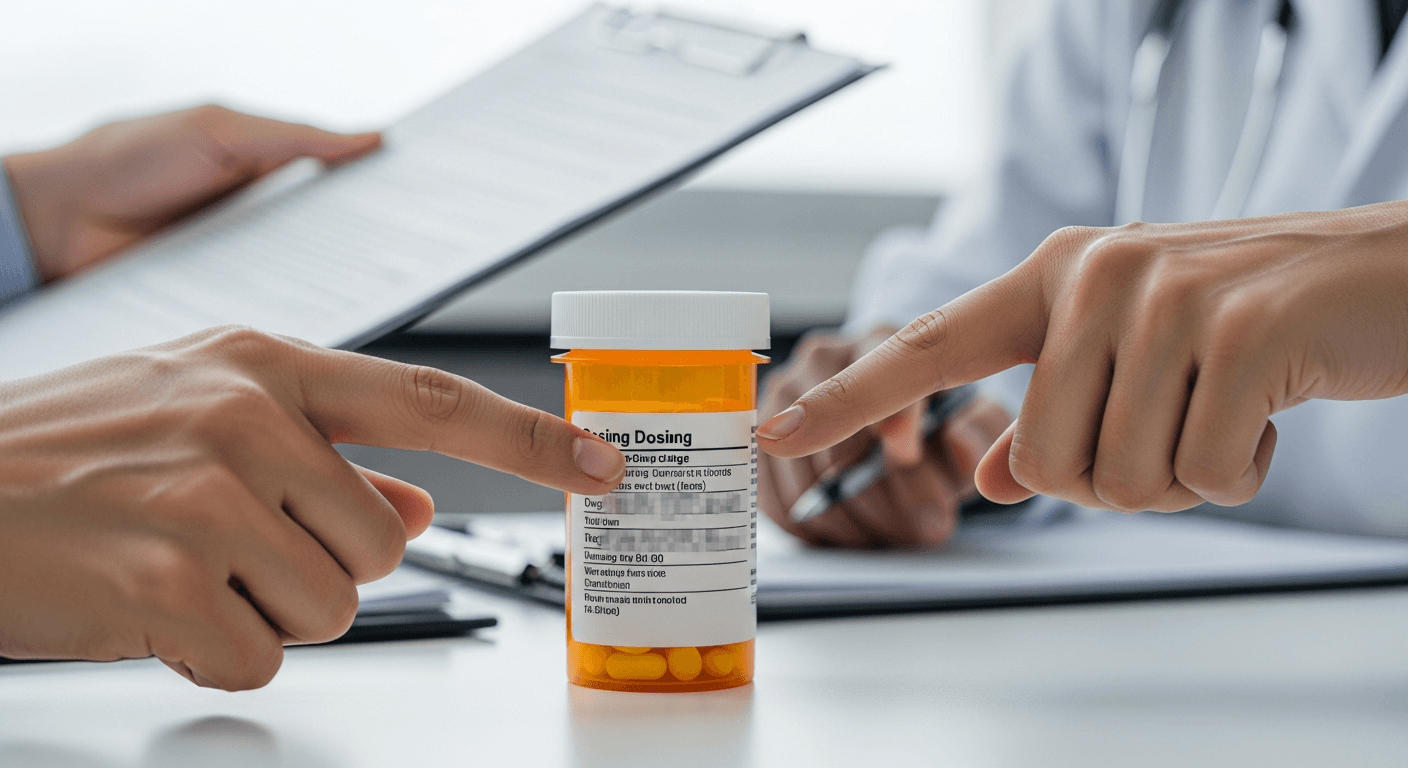
Medication Errors Attorneys
Experienced legal representation for medication errors matters across all 50 states.
About Medication Errors
Medication errors occur when a healthcare provider, pharmacist, or other medical professional makes a preventable mistake in prescribing, dispensing, administering, or monitoring medication. These errors can happen at any point in the medication process — from the initial prescribing decision through pharmacy dispensing to bedside administration — and can cause serious injury or death. Common medication errors include prescribing the wrong drug, prescribing an incorrect dosage, failing to check for dangerous drug interactions, dispensing the wrong medication at the pharmacy, administering medication to the wrong patient, and failing to monitor patients for adverse effects.
Medication error claims require proof that the healthcare professional deviated from the accepted standard of care in the medication process and that this deviation directly caused the patient's injury. Depending on where the error occurred, potential defendants can include the prescribing physician, the dispensing pharmacy, the administering nurse, and the hospital or healthcare facility. Expert testimony is required to establish what the standard of care required at the specific point in the medication process where the error occurred.
These cases can be medically complex because the plaintiff must demonstrate not only that the wrong medication or dosage was given but also that the error — rather than the underlying condition being treated — caused the harm. This is particularly challenging when the patient has multiple medical conditions and is taking several medications simultaneously.
Why You Need a Medication Errors Attorney
Medication errors are among the most common and preventable forms of medical harm in the United States. The Institute of Medicine's landmark report estimated that medication errors harm at least 1.5 million people annually in the U.S. The FDA receives more than 100,000 reports of suspected medication errors each year through its MedWatch program. The Agency for Healthcare Research and Quality identifies adverse drug events as one of the most common types of inpatient safety incidents, occurring in approximately 5% of hospitalized patients.
The financial burden of medication errors is substantial. The HHS Office of Inspector General has estimated that adverse drug events in hospitals alone cost billions of dollars annually in additional treatments, extended hospital stays, and disability. Legal accountability for medication errors drives improvements in prescribing practices, pharmacy verification systems, barcode medication administration technology, and clinical decision support tools that alert providers to dangerous interactions and dosing errors.
Common Medication Errors Cases
Wrong Medication Prescribed
A physician prescribes a medication that is inappropriate for the patient's condition, contraindicated given their medical history, or confused with a similarly named drug, resulting in adverse effects or failure to treat the actual condition.
Incorrect Dosage
Prescribing, dispensing, or administering a medication dose that is too high (causing toxicity or overdose) or too low (failing to treat the condition effectively), often due to calculation errors, weight-based dosing mistakes, or failure to adjust for kidney or liver function.
Dangerous Drug Interactions
Failure to check for and prevent harmful interactions between multiple medications a patient is taking, which can cause serious adverse effects including organ damage, bleeding, cardiac arrhythmia, or death.
Pharmacy Dispensing Errors
A pharmacy dispenses the wrong medication, wrong dosage form, or wrong strength, often due to look-alike/sound-alike drug confusion, mislabeling, or failure to verify the prescription against the patient's medication history.
Wrong Patient Administration
A nurse or other provider administers medication intended for a different patient, typically due to patient identification failures, mislabeled medication containers, or inadequate verification procedures.
Failure to Monitor
Inadequate monitoring of a patient's response to medication, including failure to order appropriate blood tests for drugs requiring therapeutic level monitoring, leading to toxicity or organ damage.
Typical Medication Errors Case Timeline
Medical & Pharmacy Record Review
1-3 monthsYour attorney obtains all medical records, pharmacy records, medication administration records, and electronic prescribing data, and has them reviewed by clinical pharmacy and medical experts to identify the error and assess causation.
Pre-Suit Requirements & Filing
1-3 monthsCompliance with certificate of merit requirements and identification of all responsible parties — prescriber, pharmacy, hospital, or others — before filing the complaint.
Discovery
10-18 monthsExchange of medical records, pharmacy dispensing records, electronic health record audit trails, hospital medication policies, and expert reports. Depositions of the prescribing physician, pharmacist, administering nurse, and expert witnesses.
Mediation & Settlement
1-3 monthsSettlement negotiations through formal mediation. Medication error cases with clear documentation of the error and causation often resolve during this phase.
Trial
1-2 weeksPresentation of evidence to a jury, including expert testimony on prescribing and dispensing standards, the chain of custody for the medication, and the causal link between the error and the patient's injury.
Know Your Rights
- You have the right to receive complete information about every medication prescribed to you, including its purpose, proper dosage, potential side effects, and known interactions with other medications you are taking.
- You have the right to access your pharmacy records, including the prescription as received, the medication dispensed, and the pharmacist's verification notes.
- You have the right to report medication errors to the FDA's MedWatch program and to your state pharmacy board, independent of any legal claim.
- Statutes of limitations for medication error claims vary by state, typically ranging from one to three years, with discovery rules that may extend the deadline when the error was not immediately apparent.
- You have the right to a thorough medication reconciliation at every healthcare encounter, including verification of all current medications and allergies.
- Pharmacies have a legal duty to verify prescriptions for accuracy, check for drug interactions, and counsel patients on proper medication use.
What to Look for in a Medication Errors Attorney
When selecting an attorney for a medication error case, look for experience specifically in pharmaceutical negligence and medication-related malpractice. Your attorney should understand the medication use process — prescribing, transcribing, dispensing, administering, and monitoring — and be able to identify exactly where the breakdown occurred. Ask whether the attorney has relationships with pharmacology experts, clinical pharmacists, and physicians who can testify about prescribing standards and drug interactions. The attorney should be comfortable handling cases against multiple defendants, as medication errors often involve both the prescribing physician and the dispensing pharmacy. Inquire about experience with electronic health record evidence, as computerized prescribing systems and pharmacy records are often central to proving when and how the error occurred.
Questions to Ask Your Medication Errors Attorney
- 1Have you handled medication error cases involving the same type of error that occurred in my case?
- 2Can you identify where in the medication process the breakdown occurred — prescribing, dispensing, or administration?
- 3What pharmacology and medical experts will you retain to establish the standard of care?
- 4Will you pursue claims against all potentially responsible parties, including the prescriber, pharmacy, and hospital?
- 5What are the estimated litigation costs, and does your firm advance those expenses?
- 6How will you prove that the medication error — rather than my underlying condition — caused my injury?
Understanding Medication Errors Legal Costs
Medication error attorneys typically work on contingency, receiving 33% to 40% of the recovery. Expert costs include clinical pharmacists or pharmacologists who can explain prescribing and dispensing standards, as well as physicians who can testify about the medical harm caused by the error. Expert fees range from $400 to $1,200 per hour. Additional costs include medical and pharmacy record retrieval, electronic health record forensic analysis, and deposition expenses. Total case costs typically range from $30,000 to $150,000, depending on the number of defendants and complexity of the pharmacological issues. Most firms advance these costs and deduct them from the recovery.
Key Legal Terms
Video Resources
These videos are provided for informational purposes only. The attorneys and organizations featured are not affiliated with or endorsed by Northwind Law.
What Evidence Do I Need for a Medical Malpractice Claim?
The Clark Law Office
Tort Law: The Rules of Medical Malpractice
The Clark Law Office
How a Medical Malpractice Case Really Works
LawShelf
Frequently Asked Questions About Medication Errors
Citations & Sources
- [1]Medication errors harm at least 1.5 million people annually in the United States. — Institute of Medicine, "Preventing Medication Errors" (2006)
- [2]The FDA receives more than 100,000 reports of suspected medication errors each year through its MedWatch program. — FDA MedWatch Program
- [3]Adverse drug events occur in approximately 5% of hospitalized patients, making them one of the most common types of inpatient errors. — Agency for Healthcare Research and Quality
- [4]The global cost of medication errors is estimated at $42 billion annually. — WHO Global Patient Safety Challenge on Medication Safety (2017)
Ready to Discuss Your Medication Errors Case?
Speak with a experienced medication errors attorney. Free consultations available.