
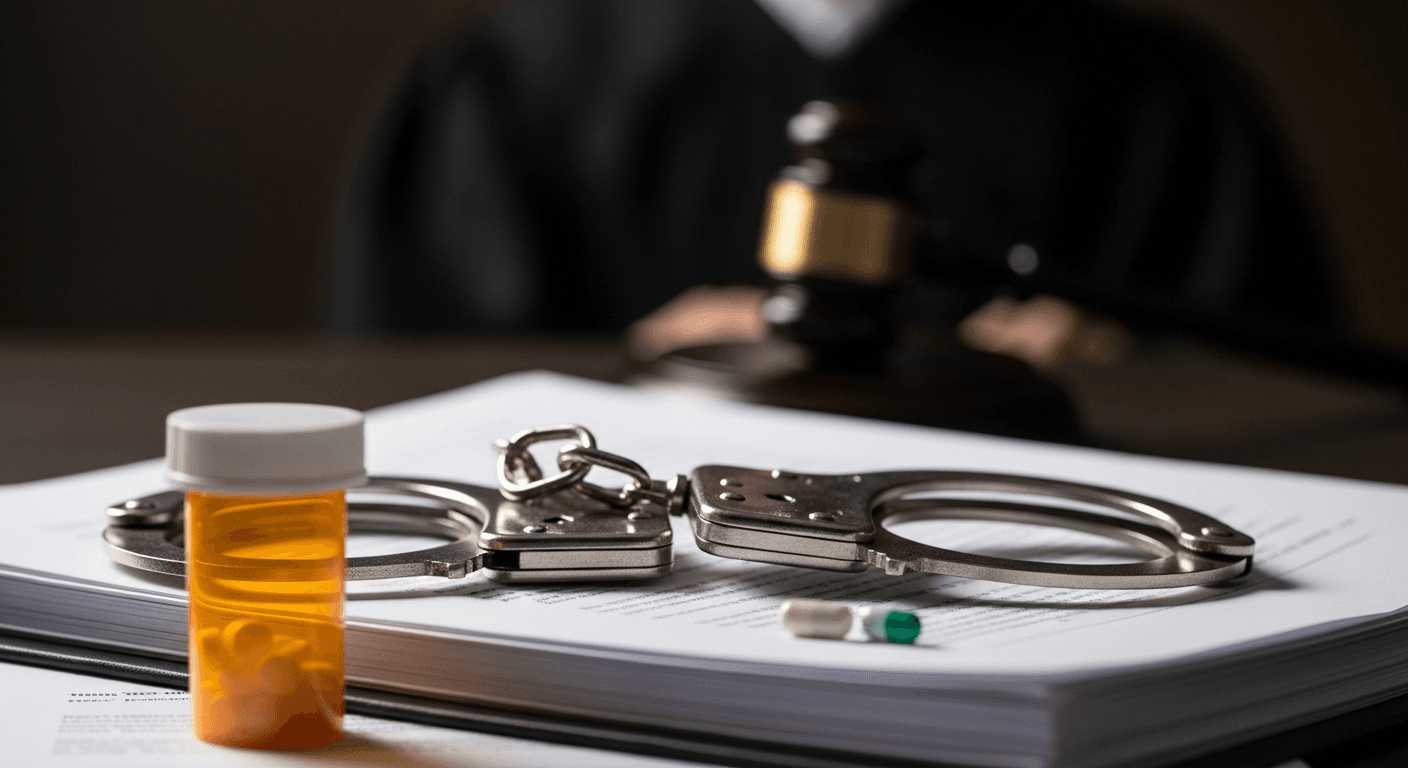
Drug Crimes Attorneys
Experienced legal representation for drug crimes matters across all 50 states.
About Drug Crimes
Drug crimes encompass a broad category of criminal offenses related to the manufacture, distribution, sale, possession, and trafficking of controlled substances. In the United States, both federal and state governments regulate drugs through a classification system that categorizes substances into schedules based on their potential for abuse, accepted medical use, and safety profile. The federal Controlled Substances Act (CSA) establishes five schedules, with Schedule I drugs (such as heroin, LSD, and ecstasy) considered the most dangerous with no accepted medical use, and Schedule V substances (such as certain cough preparations) having the lowest potential for abuse.
Drug crime enforcement and prosecution represent one of the largest components of the American criminal justice system. The severity of charges and penalties depends on numerous factors, including the type and quantity of the substance involved, whether the offense involved simple possession for personal use or distribution and trafficking, the location of the offense (near schools, parks, or public housing), the defendant's criminal history, and whether weapons or violence were involved. Federal drug charges generally carry harsher penalties than state charges, including mandatory minimum sentences that significantly limit judicial discretion at sentencing.
The landscape of drug law is evolving rapidly as public attitudes shift, particularly regarding marijuana. While marijuana remains a Schedule I controlled substance under federal law, a growing number of states have legalized it for medical and recreational use, creating complex conflicts between state and federal law. Similarly, the opioid epidemic has prompted some jurisdictions to adopt more treatment-oriented approaches to drug possession offenses, including drug courts, diversion programs, and alternatives to incarceration. Despite these trends, drug offenses continue to carry severe criminal penalties that can fundamentally alter a person's life, making experienced legal representation essential.
Why You Need a Drug Crimes Attorney
Drug charges carry uniquely severe and far-reaching consequences that can persist long after a sentence has been served. Beyond incarceration and fines, a drug conviction can result in loss of federal student financial aid, denial of professional licenses, immigration consequences including deportation for non-citizens, loss of public housing eligibility, ineligibility for certain government benefits, and a permanent criminal record that creates barriers to employment and housing. For parents, a drug conviction can affect custody and visitation rights.
The War on Drugs has led to aggressive prosecution strategies, including the use of confidential informants, wiretaps, undercover operations, and conspiracy charges that can sweep individuals with minimal involvement into serious federal cases carrying mandatory minimum sentences. The complexity of drug cases—involving constitutional issues related to search and seizure, electronic surveillance, entrapment defenses, and forensic laboratory analysis—demands attorneys with specialized knowledge. An experienced drug crimes attorney can identify Fourth Amendment violations, challenge the reliability of informant testimony, contest the chain of custody of physical evidence, negotiate for treatment alternatives, and advocate for sentences that reflect the client's actual role and culpability.
Common Drug Crimes Cases
Marijuana Offenses
Despite legalization trends, marijuana remains the most commonly charged drug offense. Cases range from simple possession of small amounts to large-scale cultivation and distribution operations. Penalties vary enormously by jurisdiction, from decriminalized infractions to felony charges.
Opioid and Fentanyl Offenses
The opioid epidemic has driven increased enforcement targeting the distribution of heroin, fentanyl, prescription opioids, and their analogs. Fentanyl cases are prosecuted particularly aggressively due to the substance's extreme potency and the frequency of overdose deaths.
Cocaine and Crack Offenses
Cocaine-related charges include possession, distribution, and trafficking. Despite reforms reducing the sentencing disparity, crack cocaine offenses still carry heavier federal penalties than powder cocaine offenses, raising ongoing concerns about racial disparities in drug enforcement.
Methamphetamine Manufacturing and Distribution
Methamphetamine cases often involve both drug charges and additional offenses related to the hazardous manufacturing process, including environmental crimes and child endangerment when labs are found in residences with children.
Prescription Drug Fraud
Offenses include obtaining prescriptions through fraud or forgery, doctor shopping, illegal distribution of pharmaceutical medications, and healthcare provider overprescribing. These cases often involve both criminal charges and regulatory investigations.
Drug Conspiracy
Federal conspiracy charges allow prosecutors to charge individuals who participated in or agreed to participate in drug distribution, even if they never personally handled drugs. Conspiracy carries the same penalties as the underlying offense and can ensnare individuals with peripheral involvement.
Drug Paraphernalia
Possession of items used or intended for use in consuming, manufacturing, or distributing drugs. While typically a misdemeanor, paraphernalia charges can enhance penalties for other drug offenses and create a criminal record.
Typical Drug Crimes Case Timeline
Investigation & Arrest
Varies (days to months)Drug investigations may involve surveillance, undercover operations, informants, wiretaps, or search warrants. Arrests can occur during traffic stops, warrant service, or after lengthy investigations. In federal cases, arrests often follow sealed grand jury indictments.
Initial Appearance & Bail
24–72 hours after arrestThe defendant appears before a judge or magistrate, is informed of charges, and bail is addressed. In federal cases and serious state felonies, the government may seek detention, requiring a hearing on whether the defendant poses a flight risk or danger to the community.
Grand Jury / Preliminary Hearing
2–6 weeksIn federal cases, a grand jury must return an indictment. In state cases, a preliminary hearing determines whether probable cause exists. This phase reveals key prosecution evidence and helps shape defense strategy.
Discovery & Pretrial Motions
3–12 monthsDefense attorneys review all evidence, file motions to suppress illegally seized evidence, challenge informant reliability, and attack the sufficiency of drug identification testing. Plea negotiations typically occur throughout this phase.
Trial or Plea Resolution
6–18 months after arrestMost drug cases resolve through plea agreements. If trial occurs, it may last several days to several weeks depending on case complexity. Drug conspiracy trials involving multiple defendants can extend considerably longer.
Sentencing
6–12 weeks after conviction or pleaA presentence investigation report is prepared. In federal cases, the court applies the U.S. Sentencing Guidelines, and mandatory minimums may apply. Defense attorneys present mitigating factors and argue for the lowest appropriate sentence.
Know Your Rights
- The Fourth Amendment protects you against unreasonable searches and seizures—police generally need a warrant, consent, or a recognized exception to search your person, vehicle, or home for drugs.
- You have the right to refuse consent to a search. Clearly and calmly stating "I do not consent to a search" preserves your Fourth Amendment rights, though officers may still search if they have independent legal authority.
- You have the right to remain silent and should not answer questions about drug possession, ownership, knowledge of substances, or the activities of others without an attorney present.
- You have the right to an attorney at all critical stages of the proceedings, including during police interrogation, at arraignment, and at trial. If you cannot afford an attorney, one will be appointed for you.
- You have the right to challenge the legality of any search or seizure through a motion to suppress, which can result in evidence being excluded from trial.
- You have the right to a jury trial and the presumption of innocence—the prosecution must prove every element of the offense beyond a reasonable doubt.
- In some jurisdictions, Good Samaritan laws provide limited immunity from drug possession charges when calling 911 to report an overdose, potentially saving lives without fear of prosecution.
What to Look for in a Drug Crimes Attorney
Selecting a drug crimes attorney requires finding someone with specific expertise in controlled substance law at both the state and federal levels. Look for attorneys experienced with the particular type of drug offense you face—possession cases, distribution charges, and federal conspiracies each require different skill sets and strategies. The best drug defense attorneys understand the science behind drug identification and quantification, including gas chromatography, mass spectrometry, and field testing error rates.
Federal drug cases demand particular specialization. An attorney experienced in federal court will understand mandatory minimum sentencing, federal sentencing guidelines, cooperation agreements, and the safety valve provisions that may allow a sentence below the mandatory minimum. Ask about the attorney's experience with Fourth Amendment search and seizure issues, as suppression of illegally obtained evidence is frequently the most powerful defense in drug cases. Additionally, look for an attorney familiar with drug court programs, diversion alternatives, and treatment-based sentencing options that may be available in your jurisdiction. A good drug crimes attorney will also address collateral consequences and help you understand the full impact of different case outcomes.
Questions to Ask Your Drug Crimes Attorney
- 1What is your experience defending cases involving the specific type of drug charge I face?
- 2Have you handled cases in the court where my case is assigned, and are you familiar with the prosecutors and judges involved?
- 3What are the potential mandatory minimum sentences I face, and are there any safety valve or other provisions that could allow a lower sentence?
- 4Is there a realistic possibility of getting the charges reduced or dismissed based on the facts of my case?
- 5Are drug court or diversion programs available for my type of case in this jurisdiction?
- 6What Fourth Amendment issues do you see in my case, and is there a basis for a motion to suppress evidence?
- 7What collateral consequences should I be aware of beyond the criminal penalties, such as effects on immigration status, student aid, or professional licenses?
Understanding Drug Crimes Legal Costs
Drug crime defense costs vary significantly based on the severity of charges and whether the case is in state or federal court. Misdemeanor drug possession cases typically cost $2,000 to $7,500 for attorney fees. Felony drug charges in state court generally range from $5,000 to $25,000 or more. Federal drug cases, which are inherently more complex and time-intensive, often require fees of $15,000 to $100,000 or higher, particularly for multi-defendant conspiracy cases that may proceed to trial. These fee ranges typically cover attorney time for court appearances, discovery review, motion practice, and negotiations. Expert witnesses for forensic testing challenges, private investigators, and trial preparation may add substantial costs. Some attorneys offer payment plans, and defendants who cannot afford private counsel may qualify for court-appointed representation through the public defender's office or criminal justice act panel attorneys.
Key Legal Terms
Video Resources
These videos are provided for informational purposes only. The attorneys and organizations featured are not affiliated with or endorsed by Northwind Law.
The War on Drugs: Explained
LegalEagle
Drug Charges: What You Need to Know
Law Venture
Your Rights During a Drug Search
ACLU
Frequently Asked Questions About Drug Crimes
Citations & Sources
- [1]In 2022, there were approximately 1.5 million arrests for drug law violations in the United States, with approximately 83% for possession offenses. — FBI Uniform Crime Reporting Program
- [2]Drug offenders constitute approximately 45% of the federal prison population, making drug offenses the most common federal crime category. — Federal Bureau of Prisons
- [3]There were an estimated 109,680 drug overdose deaths in the United States during 2022, with synthetic opioids (primarily fentanyl) involved in nearly 70% of those deaths. — CDC National Center for Health Statistics
- [4]The federal government spent an estimated $39 billion on drug control activities in fiscal year 2022. — Office of National Drug Control Policy
- [5]Racial disparities persist in drug enforcement, with Black Americans arrested for drug offenses at disproportionate rates despite similar usage rates across racial groups. — Bureau of Justice Statistics
Ready to Discuss Your Drug Crimes Case?
Speak with a experienced drug crimes attorney. Free consultations available.