
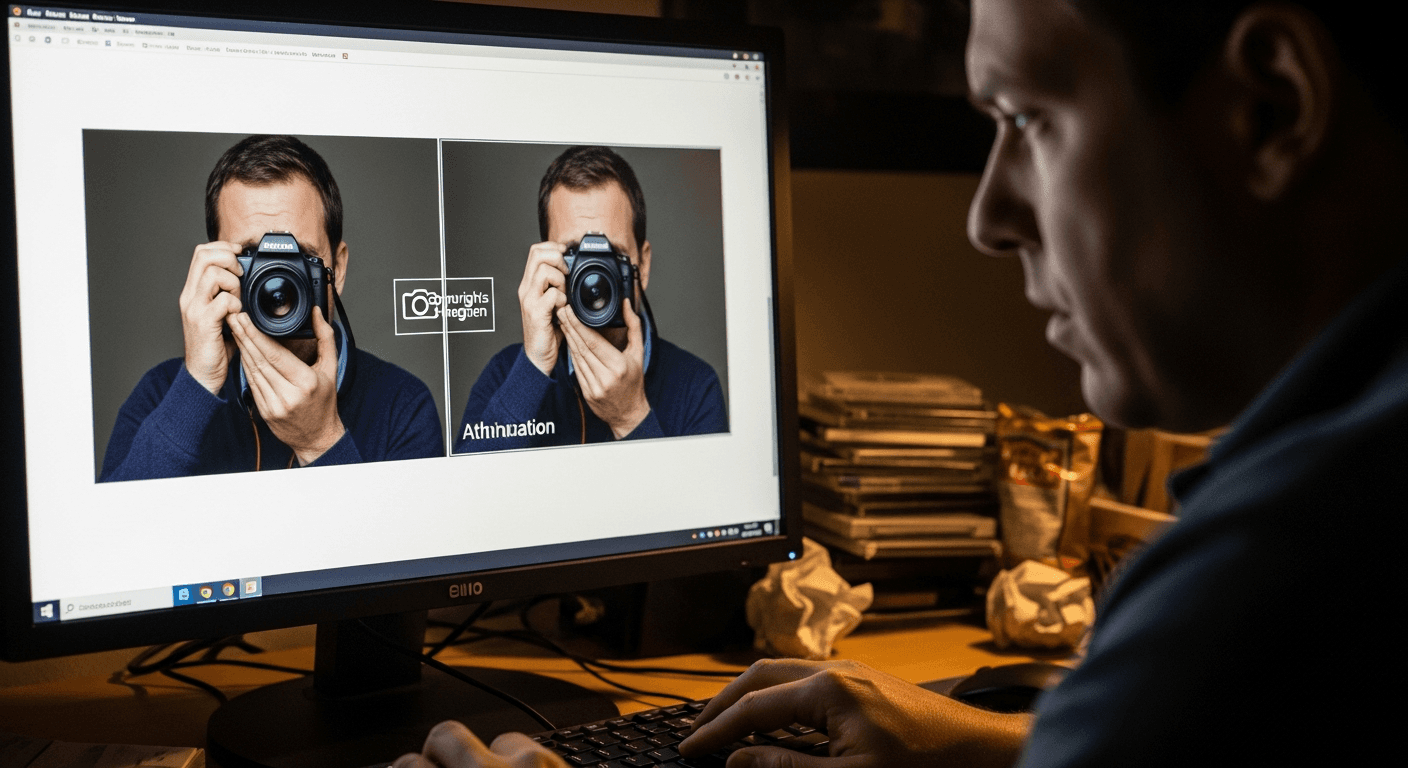
Copyright Infringement Attorneys
Experienced legal representation for copyright infringement matters across all 50 states.
About Copyright Infringement
Copyright infringement occurs when someone reproduces, distributes, performs, publicly displays, or creates a derivative work from a copyrighted work without the authorization of the copyright holder. Under the Copyright Act of 1976 (Title 17, U.S. Code), original works of authorship — including literary works, music, film, software, photographs, and architectural designs — receive automatic copyright protection the moment they are fixed in a tangible medium of expression. Infringement does not require intent; even inadvertent copying can give rise to significant legal liability.
Copyright infringement cases arise in a wide range of contexts. A business may discover that a competitor has copied its website content, marketing materials, or proprietary software code. A photographer may find that images are being used online without a license. A musician may learn that portions of a composition have been sampled without authorization. In the digital age, the ease of copying and distributing content has made infringement far more pervasive, while the Digital Millennium Copyright Act (DMCA) has introduced both new enforcement tools and new legal complexities, including safe harbor provisions for online service providers and anti-circumvention rules that prohibit bypassing digital rights management technologies.
A copyright infringement attorney helps rights holders enforce their exclusive rights through cease-and-desist demands, DMCA takedown notices, and federal court litigation. They also defend individuals and businesses accused of infringement by asserting defenses such as fair use, independent creation, or license. Because copyright registration is a prerequisite to filing an infringement lawsuit for works of U.S. origin, attorneys also advise on proactive registration strategies and help clients build documentation practices that strengthen their enforcement position if infringement occurs.
Why You Need a Copyright Infringement Attorney
Copyright is the legal backbone of the creative economy. Without effective enforcement against infringement, creators and businesses lose the economic incentive to invest in original content, software, music, film, and design. The U.S. Copyright Office has estimated that copyright-intensive industries contribute more than $1.8 trillion annually to the U.S. economy and employ over 5.7 million workers. When infringement goes unchecked, it erodes the value of these industries and undermines the livelihoods of individual creators.
For businesses, copyright infringement can cause both direct financial harm and reputational damage. A company whose proprietary training materials, software, or marketing content is copied by a competitor may lose market share and customer trust. Conversely, a business that unknowingly uses infringing content — such as unlicensed stock photos or copied website text — may face statutory damages of up to $150,000 per work for willful infringement. Engaging a copyright attorney early, whether to enforce your rights or to ensure your own compliance, is essential to managing legal risk in a content-driven business environment.
Common Copyright Infringement Cases
Digital Content Piracy
Pursuing or defending claims related to unauthorized reproduction and distribution of copyrighted digital content, including music, films, e-books, and software, through file-sharing platforms, streaming sites, or direct downloads.
Website Content Theft
Addressing the unauthorized copying of website text, blog posts, product descriptions, and other written content by competitors or third parties, including issuing DMCA takedown notices and pursuing statutory damages.
Photograph & Image Infringement
Representing photographers and visual artists whose images have been used without authorization on websites, social media, advertisements, or publications, including pursuing damages and injunctive relief.
Software Copyright Disputes
Handling claims involving unauthorized copying, reverse engineering, or distribution of proprietary software code, including disputes over open-source license compliance and API copyright protection.
Music & Sound Recording Claims
Addressing unauthorized sampling, reproduction, or public performance of musical compositions and sound recordings, including disputes involving streaming platforms and synchronization licenses.
DMCA Takedown & Counter-Notice Proceedings
Filing DMCA takedown notices with internet service providers and platforms to remove infringing content, and representing parties who have received takedown notices in filing counter-notices to restore legitimate content.
Fair Use Defense
Defending individuals and organizations accused of infringement by establishing that their use of copyrighted material qualifies as fair use under the four-factor statutory test, including uses for commentary, criticism, education, and parody.
Architectural Works Infringement
Pursuing claims involving unauthorized copying of copyrighted architectural plans, drawings, and constructed buildings, which have been protected under the Architectural Works Copyright Protection Act since 1990.
Typical Copyright Infringement Case Timeline
Evidence Preservation & Registration
1-4 weeksDocumenting the infringement with screenshots, URLs, and metadata; filing copyright registration if not already completed, as registration is required before filing a federal lawsuit.
Cease-and-Desist / DMCA Takedown
2-4 weeksSending a formal cease-and-desist letter or filing DMCA takedown notices with hosting providers and platforms to demand removal of infringing content and open settlement discussions.
Pre-Litigation Negotiation
2-8 weeksAttempting to resolve the dispute through negotiation, including licensing arrangements or monetary settlements, before incurring the cost of federal court litigation.
Filing Complaint & Discovery
6-12 monthsFiling the infringement complaint in federal court, exchanging written discovery, taking depositions, and obtaining expert reports on damages and the substantiality of copying.
Summary Judgment Motions
2-4 monthsFiling or responding to motions for summary judgment on issues such as ownership, substantial similarity, and fair use, which can resolve the case without trial.
Trial & Judgment
3-10 days of trialPresenting evidence before a judge or jury on infringement, damages, and willfulness. If successful, the court may award actual damages or statutory damages plus attorney fees for the prevailing party.
Know Your Rights
- Copyright protection arises automatically when an original work is fixed in a tangible medium of expression — you do not need to register or display a copyright notice to own your copyright, though registration provides significant legal advantages.
- You have the exclusive right to reproduce, distribute, display, perform, and create derivative works based on your copyrighted works, and you can authorize or prohibit others from exercising these rights.
- Under the DMCA, you can send takedown notices to internet service providers and platforms hosting infringing copies of your work, requiring them to remove the content promptly to maintain their safe harbor protection.
- If you register your copyright before infringement begins or within three months of publication, you are eligible to recover statutory damages of up to $150,000 per work and attorney fees if you prevail in court.
- Fair use is a legal defense that permits limited use of copyrighted material without permission for purposes such as criticism, commentary, news reporting, teaching, scholarship, and research, evaluated under a four-factor test.
- The statute of limitations for copyright infringement is generally three years from when the claim accrued, though courts have differed on whether this runs from the date of infringement or the date of discovery.
- Criminal copyright infringement — willful infringement for commercial advantage or private financial gain — can result in federal criminal prosecution with penalties including imprisonment and substantial fines.
What to Look for in a Copyright Infringement Attorney
When selecting a copyright infringement attorney, prioritize experience in federal court litigation, as copyright cases are exclusively heard in federal courts. Ask about the attorney's track record with both enforcement actions and defense, as well as their familiarity with DMCA procedures, including takedown notices, counter-notices, and safe harbor issues. Experience with your specific type of content — whether music, software, photography, literary works, or digital media — is important because copyright law applies differently across creative industries.
Consider whether the attorney has experience with damages calculations, including actual damages, lost profits, and statutory damages, as the financial analysis in copyright cases can be complex. For rights holders pursuing serial infringers, look for firms that handle high-volume enforcement efficiently. If your case involves international infringement, seek an attorney familiar with the Berne Convention and international copyright treaties. Finally, evaluate the attorney's approach to pre-litigation resolution, as many copyright disputes can be resolved through negotiation, licensing agreements, or DMCA procedures without the expense of a full trial.
Questions to Ask Your Copyright Infringement Attorney
- 1Do you have experience with copyright infringement cases involving my type of creative work, such as software, photography, music, or written content?
- 2Can you explain the advantages and risks of pursuing statutory damages versus actual damages in my case?
- 3What is the estimated timeline and cost for resolving this matter through pre-litigation negotiation versus federal court litigation?
- 4Is my use of the disputed material likely to qualify as fair use, and how strong are the arguments on each side?
- 5Do you handle cases on a contingency or hybrid fee basis, or do you bill strictly on an hourly basis?
- 6What is your experience with DMCA takedown procedures, and how effective are they likely to be in my situation?
- 7If the infringement is occurring internationally, what enforcement options are available to me under international copyright treaties?
Understanding Copyright Infringement Legal Costs
Copyright infringement cases vary widely in cost depending on complexity and resolution path. Sending a cease-and-desist letter or filing DMCA takedown notices typically costs $500 to $2,000 in attorney fees. Pre-litigation negotiation and settlement may cost $2,000 to $10,000 depending on the complexity of the dispute and the number of infringing works involved. If litigation becomes necessary, costs escalate significantly — a straightforward copyright infringement case through trial may cost $150,000 to $400,000 or more in attorney fees and costs, according to AIPLA survey data. Many copyright attorneys work on hourly rates of $250 to $600 per hour, though some plaintiff-side attorneys handle enforcement cases on a contingency or hybrid fee basis, particularly when statutory damages and attorney fee awards are likely. Initial copyright registration costs $45 to $65 per work through the Copyright Office electronic filing system, making proactive registration an inexpensive investment compared to litigation costs.
Key Legal Terms
Video Resources
These videos are provided for informational purposes only. The attorneys and organizations featured are not affiliated with or endorsed by Northwind Law.
Copyright Infringement Explained | What You Need to Know
All Up In Yo' Business with Attorney Aiden Durham
Fair Use in Copyright Law
LegalEagle
Copyright Basics: What Is Copyright?
U.S. Copyright Office
Frequently Asked Questions About Copyright Infringement
Citations & Sources
- [1]The U.S. Copyright Office processed more than 443,000 copyright registrations in fiscal year 2023, covering literary works, visual arts, performing arts, sound recordings, and other categories of authorship. — U.S. Copyright Office, Annual Report of the Register of Copyrights, FY 2023
- [2]Copyright-intensive industries contribute more than $1.8 trillion to the U.S. economy annually and employ approximately 5.7 million workers, representing a significant portion of total U.S. economic output. — International Intellectual Property Alliance, Copyright Industries in the U.S. Economy (2023)
- [3]Under 17 U.S.C. § 504(c), statutory damages for willful copyright infringement may be increased to a sum of not more than $150,000 per work, providing a powerful deterrent against intentional copying. — 17 U.S.C. § 504, Copyright Act of 1976
- [4]The Digital Millennium Copyright Act (DMCA) provides safe harbor protection for online service providers that comply with notice-and-takedown procedures under Section 512, shielding them from monetary liability for user-generated infringing content. — Digital Millennium Copyright Act, 17 U.S.C. § 512
- [5]The median cost of copyright infringement litigation through trial ranges from $200,000 to $600,000 depending on the complexity and amount in controversy, according to surveys of IP practitioners. — American Intellectual Property Law Association (AIPLA), Report of the Economic Survey
Ready to Discuss Your Copyright Infringement Case?
Speak with a experienced copyright infringement attorney. Free consultations available.